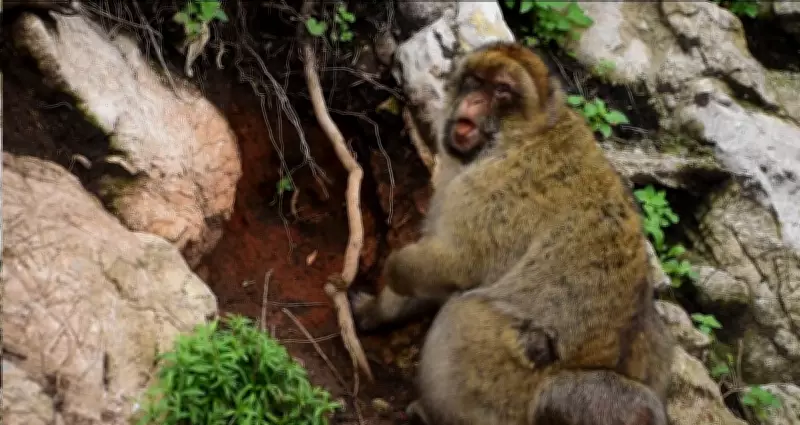
Gibraltar's Famous Monkeys Exhibit Bizarre Conduct, Prompting Scientific Scrutiny
The iconic Barbary macaques of Gibraltar, a major tourist draw for decades, have recently been observed engaging in a series of highly unusual behaviors, leaving both visitors and researchers baffled. According to the Gibraltar Macaques Project, which monitors these primates, the monkeys have been displaying actions that deviate significantly from their typical patterns, sparking a wave of scientific curiosity and investigation into the underlying causes.
Detailed Observations of Aberrant Primate Activities
Witnesses and project officials report that the macaques, which normally interact playfully with tourists and forage for food, have been seen exhibiting strange conduct such as increased aggression, unusual vocalizations, and repetitive movements. These behaviors are not consistent with their historical demeanor, raising alarms among conservationists and biologists who have long studied this unique population.
Potential Explanations for the Shift in Monkey Behavior

Experts speculate that several factors could be driving these changes. Environmental shifts, including fluctuations in local climate or food availability, might be stressing the monkeys, leading to altered conduct. Additionally, social dynamics within the troop, such as leadership conflicts or population pressures, could be influencing their actions. Researchers are also considering the impact of human interaction, as increased tourism might be disrupting their natural habitats and routines.
Scientific and Conservation Implications
The Gibraltar Macaques Project, led by dedicated scientists, is intensifying its monitoring efforts to gather more data on these behaviors. Understanding why the monkeys are acting unusually is crucial for their conservation, as these primates are a protected species and a key part of Gibraltar's ecological and cultural heritage. If left unaddressed, such behavioral changes could signal deeper issues affecting their health and survival.
This situation underscores the importance of ongoing wildlife research and adaptive management strategies in popular tourist destinations. By studying these macaques closely, scientists hope to not only solve the mystery but also develop better practices to ensure the well-being of the animals while maintaining the site's appeal to visitors.