France Asserts Captive Whales Are Private Property in Nova Scotia Sanctuary Dispute
In a development that could significantly impact marine conservation efforts in Canada, France has officially declared that captive whales are considered private property. This stance emerges amid ongoing discussions about a proposed whale sanctuary in Nova Scotia, raising complex legal and ethical questions about animal rights and international cooperation.
The Proposed Nova Scotia Whale Sanctuary
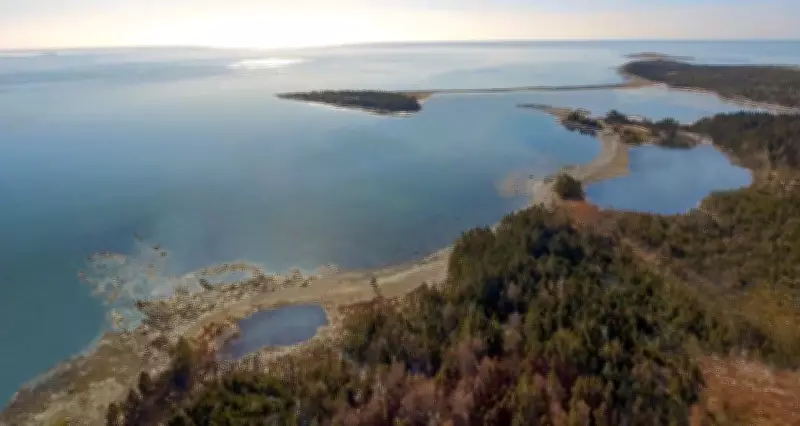
The Whale Sanctuary Project has identified a site south of Port Hilford, Nova Scotia, as a potential location for creating a protected environment where captive whales could live in more natural conditions. This initiative represents a growing movement toward providing retired or rescued marine mammals with alternatives to traditional aquarium settings.
However, France's position that these animals remain private property under existing legal frameworks creates substantial hurdles for sanctuary proponents. This declaration suggests that transferring whales to such facilities might require navigating intricate property laws rather than being treated purely as conservation or animal welfare matters.

Legal Implications for Marine Mammal Protection
The private property designation carries significant consequences for how captive whales are managed and transferred between facilities. Unlike wild animals that typically fall under different regulatory frameworks, animals deemed private property may be subject to commercial considerations and ownership disputes that could complicate sanctuary placements.
This legal perspective from France is particularly relevant because many marine parks and aquariums worldwide source or transfer marine mammals internationally. The declaration could influence how other nations approach similar sanctuary proposals and might set precedents for future marine mammal conservation efforts.
Broader Context of Marine Conservation Efforts
The Nova Scotia sanctuary proposal exists within a larger global conversation about the ethics of keeping marine mammals in captivity. Increasing public awareness about animal welfare has driven demand for more humane alternatives to traditional marine parks. Sanctuaries like the one proposed in Nova Scotia aim to provide environments that better mimic natural habitats while still allowing for necessary veterinary care and monitoring.
France's position highlights the tension between viewing marine mammals as sentient beings deserving of protection and treating them as assets subject to property laws. This dichotomy presents challenges for conservationists seeking to create progressive solutions for captive marine mammals.
Potential Pathways Forward
Despite the legal complexities introduced by France's declaration, several potential approaches could help advance sanctuary initiatives:
- International agreements that specifically address the status of captive marine mammals
- Legislative changes in countries hosting sanctuaries to create special designations for sanctuary animals
- Cooperative arrangements between governments, conservation organizations, and current owners
- Public advocacy to shift cultural perceptions about marine mammal ownership
The Nova Scotia Whale Sanctuary Project continues to develop its plans while navigating these complex legal waters. The organization's success may depend on finding creative solutions that respect existing property laws while advancing the welfare of marine mammals.
As the debate continues, the intersection of animal welfare, property rights, and conservation ethics will likely remain at the forefront of discussions about marine mammal sanctuaries worldwide. The outcome in Nova Scotia could influence similar initiatives globally, making this more than just a local conservation issue.