Exploding Trees: The Winter Phenomenon Explained and Its Surprising Science
As bone-chilling cold warnings sweep across Canada, forecasting lows near -50°C in some regions, a rare and startling winter phenomenon known as 'exploding trees' captures public curiosity. This natural event, often misunderstood, involves trees cracking loudly in extreme cold, sometimes sounding like gunshots or explosions. While it might seem dramatic, the science behind it is rooted in simple physics and environmental conditions.
What Causes Trees to 'Explode' in Winter?
The phenomenon occurs when temperatures plummet rapidly, causing the sap and water inside trees to freeze and expand. Trees, like all living organisms, contain moisture in their cells and vascular systems. In sub-zero conditions, this moisture turns to ice, increasing in volume by approximately 9%. The expansion creates immense internal pressure within the tree's trunk and branches.
If the pressure becomes too great, the wood fibers can rupture, leading to loud cracks or splits. This is most common in hardwood species such as oak or maple, which have denser wood that is less flexible under stress. The sound can be startling, echoing through quiet winter landscapes and often alarming residents who mistake it for other sources.

Common Misconceptions and Real-World Examples
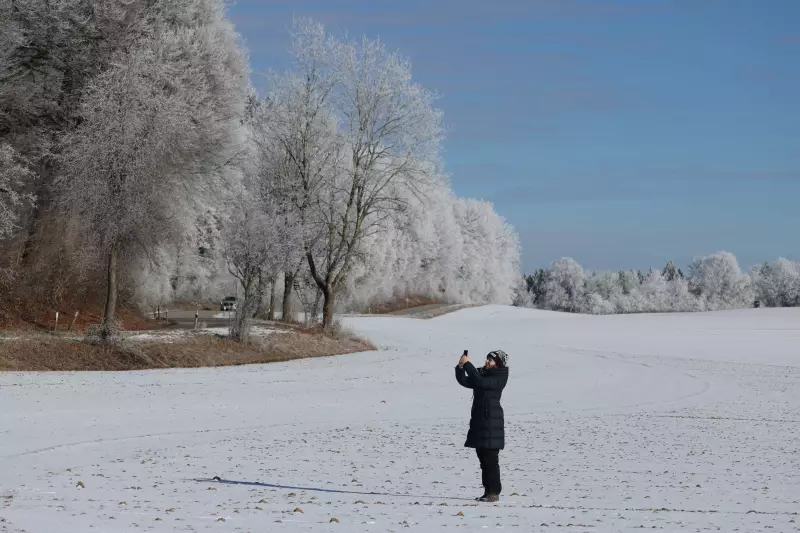
Many people assume 'exploding trees' involve flames or debris, but in reality, it is a non-combustive event. The term is metaphorical, describing the auditory effect rather than a literal explosion. In regions like Germany, where frost-covered trees are a common sight, such occurrences are documented, though they remain relatively rare.
This phenomenon ties into broader environmental discussions, such as climate change adaptation for winter sports like the Olympics, as highlighted in recent reports. While exploding trees are not typically dangerous to humans, they can indicate extreme weather patterns that affect ecosystems and communities.
Broader Implications for Environment and Safety
Understanding exploding trees is part of a larger conversation about how flora and fauna adapt to harsh winters. As global temperatures fluctuate, studying these natural events helps scientists monitor environmental health. For instance, the UN report on 'water bankruptcy' underscores resource stresses that can exacerbate such phenomena.
In practical terms, while exploding trees are mostly a curiosity, they remind us of nature's power. During deep freezes, it is wise to stay clear of wooded areas where falling branches or splintered wood might pose minor risks. This knowledge enriches our appreciation of winter's wonders and the intricate science behind everyday natural occurrences.