Former RCMP Officer Connects Arctic Satellite Guard Duty to Cancer Diagnosis
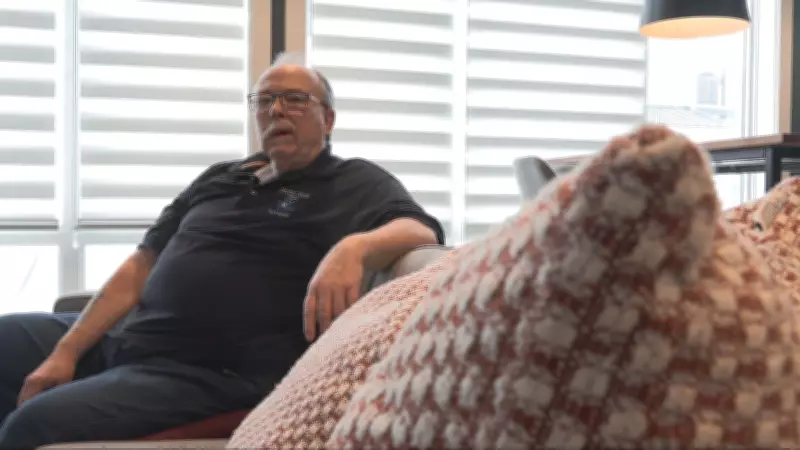
Lance Rayner, a former RCMP officer, is drawing a direct line between his assignment guarding a crashed radioactive satellite in the Arctic and his later cancer diagnosis. Rayner, now residing in Winnipeg, shared his story from his home on March 8, 2026, highlighting the potential long-term health consequences of such high-risk duties.
The incident involved a satellite carrying radioactive materials that crashed in a remote Arctic location. Rayner was part of the security detail tasked with protecting the site and preventing unauthorized access. This assignment exposed him to unknown levels of radiation over an extended period, a factor he believes contributed to his cancer.
Health Implications and Personal Impact
Rayner's case underscores the often-overlooked health risks faced by first responders and security personnel in hazardous environments. "Guarding that site was a critical job, but no one discussed the potential long-term effects," Rayner stated. His diagnosis has prompted him to advocate for better health monitoring and support for individuals in similar roles.

The connection between radiation exposure and cancer is well-documented in medical literature, though each case varies based on dosage and duration. Rayner's experience adds a personal dimension to the scientific understanding, emphasizing the need for comprehensive post-assignment health assessments.
Broader Context and Concerns
This situation raises questions about the protocols in place for protecting personnel during and after high-risk operations. Are adequate safety measures and follow-up care being provided to those exposed to radioactive or other hazardous materials? Rayner's story suggests there may be gaps in the system that need addressing.
Furthermore, the Arctic environment presents unique challenges for such incidents, including logistical difficulties and extreme weather conditions that can complicate safety procedures. Ensuring the well-being of personnel in these remote areas is paramount.
Rayner's advocacy aims to bring attention to these issues, hoping to prevent similar cases in the future. His journey from guarding a crashed satellite to battling cancer serves as a stark reminder of the hidden dangers in certain lines of duty.