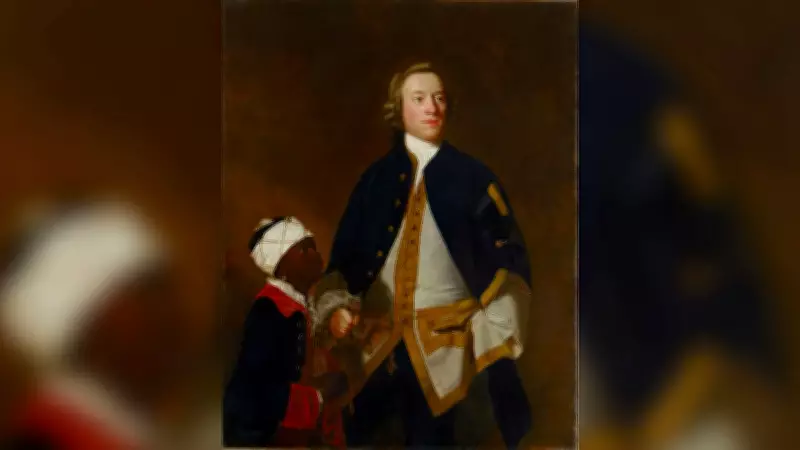
Researchers have uncovered the identity of the enslaved Black child depicted in a famous 18th-century portrait by English painter Joshua Reynolds. The boy, known only as Jersey, is pictured beside U.K. Royal Navy Lieutenant Paul Henry Ourry in a painting held by the National Trust. For centuries, his story remained untold, but new archival research has shed light on his life.
Discovery of Jersey's Identity
Historians combed through naval records, estate documents, and parish registers to piece together Jersey's history. He was likely born into slavery in the American colonies or the Caribbean and brought to England as a young child. The portrait, painted around 1765, shows Jersey dressed in fine clothes, a stark contrast to his enslaved status.
Historical Context
During the 18th century, it was fashionable for wealthy families to include Black servants in portraits as symbols of status. However, these individuals were often unnamed and their stories ignored. Jersey's case is rare because researchers were able to identify him and trace his life.

The National Trust, which owns the painting, has updated its display to include Jersey's story. A spokesperson said, 'It is important to acknowledge the full history of these artworks, including the painful truths they represent.'
Jersey's life after the portrait remains unclear, but records suggest he may have continued to serve Ourry or been sold. The research team hopes to uncover more details about his fate.
This discovery is part of a broader effort to recognize the contributions and experiences of enslaved people in British art and history.