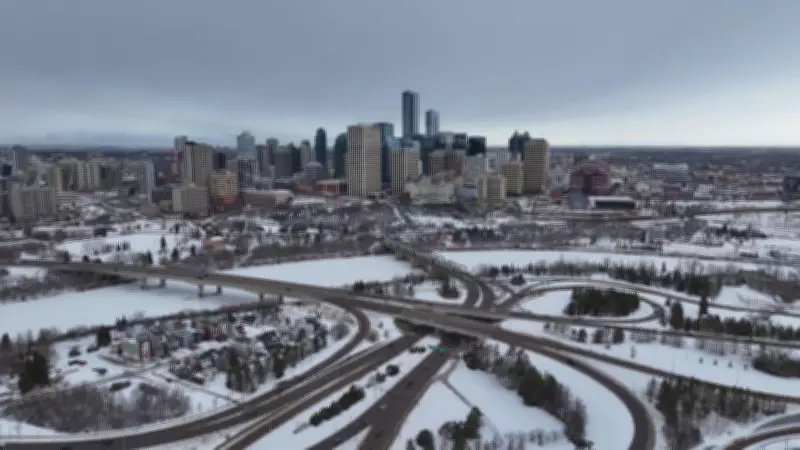
Edmonton witnessed a meteorological anomaly in March 2026, as the city transitioned from an unusually warm end to winter into a snowy beginning of spring. This shift brought significant snowfall, particularly evident on March 9, when snow blanketed the North Saskatchewan River in central Edmonton, creating a stark contrast to the preceding mild conditions.
Weather Patterns and Observations
According to reports, the warm spell that marked the tail end of winter gave way to colder temperatures and precipitation, leading to substantial snow accumulation. This event highlights the variability in seasonal weather patterns, which can have implications for local ecosystems, transportation, and daily life in the region.
Impact on the North Saskatchewan River
The snow cover on the North Saskatchewan River serves as a visual reminder of how quickly weather can change in Alberta. Such conditions may affect river flow, wildlife habitats, and recreational activities along the waterway, prompting residents and authorities to monitor developments closely.

Broader Climate Context
While this specific event is notable, it fits into a larger pattern of climate variability observed in recent years. Experts often link such fluctuations to broader environmental changes, including shifts in atmospheric patterns and global climate trends. Understanding these dynamics is crucial for adapting to future weather extremes.
Local Response and Adaptation
In response to the snowy start to spring, Edmontonians have had to adjust their routines, from commuting to outdoor plans. Municipal services, such as snow removal and road maintenance, play a key role in mitigating disruptions, ensuring public safety during such weather transitions.
As Edmonton navigates this blend of warm and cold spells, staying informed about weather forecasts and preparedness measures remains essential for residents and businesses alike.