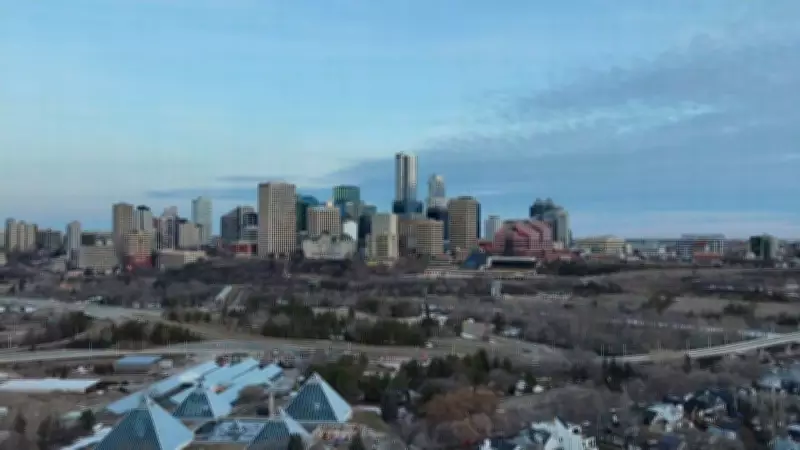
Edmonton is bracing for a dramatic shift in weather as the big melt kicks off this weekend, with temperatures expected to soar and accelerate the transition into spring. The city, which appeared largely clear of snow on the morning of April 10, 2026, is now poised for a rapid thaw that could impact local conditions and activities.
Weekend Weather Forecast Signals Rapid Thaw
According to meteorological reports, Edmonton will experience a significant temperature increase starting this weekend, marking the onset of a swift spring melt. This weather pattern is typical for the region in mid-April, but the intensity of the rise may lead to faster snowmelt than usual. Residents should prepare for changing road conditions and potential water accumulation as the thaw progresses.
Current Snow Conditions and Historical Context
As of April 10, 2026, Edmonton was observed to be largely free of snow cover, a condition that sets the stage for an efficient melt. Historical data suggests that such clear conditions can facilitate quicker warming, as sunlight is absorbed more readily by the ground rather than reflected by snow. This year's mild winter may have contributed to the reduced snowpack, potentially easing the melt process compared to seasons with heavier accumulation.

Implications for the City and Environment
The accelerated thaw could have several effects on Edmonton and its surroundings. Increased water runoff may strain drainage systems, while warmer temperatures could promote early plant growth and outdoor activities. However, residents are advised to monitor local advisories for any flood risks or infrastructure issues that might arise from the rapid melt. The shift also aligns with broader seasonal trends in the Arctic environment, where spring thaws are becoming more pronounced due to climate factors.
Looking Ahead: Spring Weather Patterns
Beyond this weekend, forecasters predict that Edmonton will continue to experience mild and variable weather as spring settles in. The big melt is just the beginning of a seasonal transition that typically brings fluctuating temperatures and precipitation. Staying informed through local weather updates is recommended for those planning outdoor events or travel in the coming weeks.