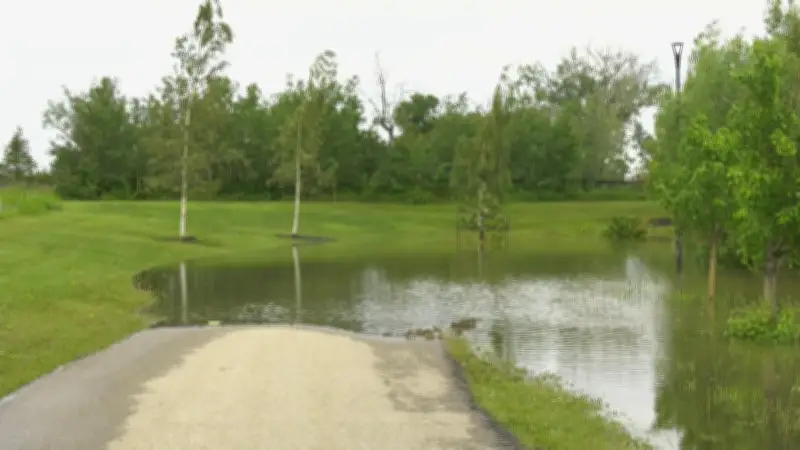
Heavy rainfall over the weekend has left much of Edmonton waterlogged, flooding walking paths and parks across the city. The deluge, which began June 20 and continued through June 22, 2026, dropped more than 60 millimetres of rain in some areas, according to Environment Canada. The city now faces a sharp increase in mosquito activity as standing water provides ideal breeding grounds.
Flooding Impacts City Infrastructure
By June 22, several low-lying trails and underpasses were submerged, forcing closures and rerouting of pedestrians and cyclists. The city's drainage system was overwhelmed in spots, with crews working to clear debris from storm drains. No major property damage has been reported, but the City of Edmonton warned residents to avoid flooded areas due to hidden hazards and fast-moving water.
Mosquito Population Expected to Soar
“After a heavy rain event like this, we typically see a significant increase in mosquito numbers within 7 to 10 days,” said Dr. Chris Smith, an entomologist with the City of Edmonton. “The standing water from the rainfall creates perfect conditions for mosquito larvae to develop.” The city's mosquito control program plans to step up larvicide treatments in known breeding sites, including stormwater ponds and roadside ditches.

Residents Urged to Take Precautions
Officials advise homeowners to empty any containers holding water, such as buckets, flower pots, and bird baths, to reduce mosquito breeding sites. They also recommend using insect repellent and wearing long sleeves during dawn and dusk when mosquitoes are most active. The city will continue monitoring mosquito levels and may conduct adulticiding if necessary.