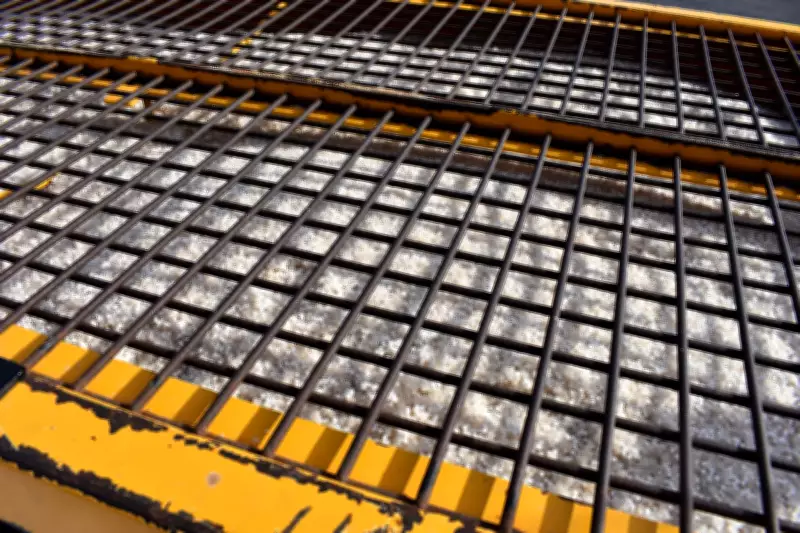
Dorval Experiments with Starfish Additive to Cut Road Salt Use
The city of Dorval is pioneering a novel approach to winter road maintenance by testing a starfish-based de-icer. This innovative experiment aims to melt ice effectively while significantly reducing the environmental costs associated with traditional road salt. As climate concerns grow, municipalities are increasingly seeking sustainable alternatives to conventional methods that can harm ecosystems and infrastructure.
Environmental Benefits of the Starfish Additive
Traditional road salt, while effective at melting ice, poses numerous environmental risks. It can contaminate soil, damage vegetation, and pollute waterways, leading to long-term ecological damage. The starfish additive, derived from marine sources, offers a biodegradable and potentially less harmful solution. Early tests suggest it may lower the chloride levels released into the environment, addressing key pollution issues.
This initiative aligns with broader efforts in Canada to adopt greener technologies in urban management. By exploring such alternatives, Dorval hopes to set a precedent for other cities grappling with similar challenges. The experiment involves applying the additive on select roads during winter months to assess its efficacy and environmental impact under real-world conditions.

Challenges and Future Prospects
Despite its promise, the starfish-based de-icer faces hurdles. Questions remain about its cost-effectiveness, scalability, and performance in extreme cold. Researchers are monitoring factors like melting speed, residue buildup, and compatibility with existing road maintenance equipment. Public feedback will also be crucial in determining its viability as a widespread solution.
If successful, this technology could revolutionize winter road safety practices across the country. It represents a shift towards more sustainable urban planning, emphasizing innovation in the face of climate change. Dorval's experiment underscores the importance of investing in research and development to find practical, eco-friendly alternatives for everyday challenges.
As the trial progresses, results will be closely watched by environmentalists and policymakers alike. This effort highlights how local initiatives can contribute to global sustainability goals, demonstrating that small-scale experiments can lead to significant advancements in protecting our planet.