Distressed Diver Rescued from Lake Simcoe in Dramatic Water Operation
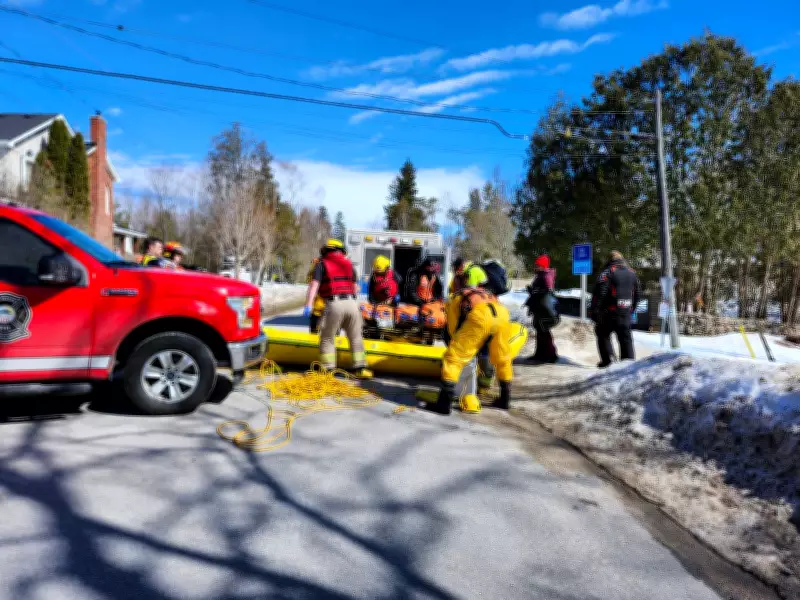
Emergency crews successfully rescued a distressed diver from Lake Simcoe in a dramatic water operation that unfolded in Oro-Medonte Township, Ontario. The incident occurred on Sunday, March 8, 2026, drawing a swift response from local authorities.
Emergency Response in Action
According to reports, the rescue operation involved multiple emergency teams who coordinated efforts to locate and extract the diver from the waters of Lake Simcoe. The situation was described as critical, with the diver in evident distress, prompting an urgent mobilization of resources.
Witnesses and sources indicated that the operation was complex, requiring specialized equipment and training to ensure a safe outcome. The diver, whose identity has not been disclosed, was reportedly recovered and assessed by medical personnel on the scene.

Context of Regional Incidents
This rescue comes amid a series of notable incidents across Canada, including:
- Ice Rescues: Twenty-three people were rescued from ice by helicopter north of Owen Sound, underscoring the hazards of winter conditions.
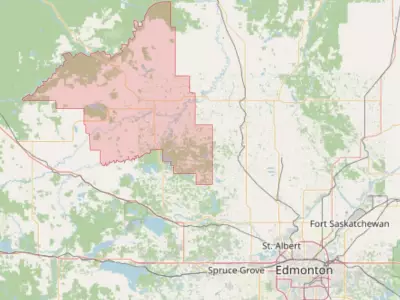
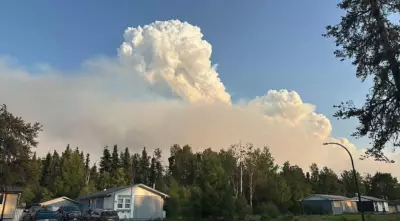
- Wildfire Preparedness: Alberta mountain towns are experiencing "low grade anxiety" as they prepare for the upcoming wildfire season, reflecting broader environmental concerns.
- Traffic Accidents: A serious snowmobile crash in P.E.I., attributed to speed and lack of helmet use, resulted in injuries, highlighting safety issues in recreational activities.
These events collectively emphasize the importance of emergency preparedness and public safety measures in various contexts, from water and ice to wildfires and transportation.
Safety Implications and Community Impact
The Lake Simcoe rescue operation raises questions about water safety protocols and the readiness of emergency services in the region. Lake Simcoe is a popular destination for recreational activities, including diving, boating, and fishing, making such incidents a point of concern for local communities.
Authorities have not released specific details on the cause of the diver's distress, but the incident serves as a reminder of the potential risks associated with aquatic activities. Experts often advise divers and other water enthusiasts to:
- Undergo proper training and certification.
- Use appropriate safety gear, including life jackets and communication devices.
- Check weather and water conditions before engaging in activities.
- Inform others of their plans and expected return times.
In the broader context, this rescue aligns with ongoing efforts to enhance public safety across Canada, as seen in initiatives like suicide-prevention fencing discussions and health tips for travel during March Break.
Conclusion
The successful rescue of the distressed diver from Lake Simcoe highlights the effectiveness of emergency response teams in handling critical situations. As communities continue to face diverse challenges, from environmental threats to accidents, such operations underscore the value of preparedness and swift action. Further updates on the diver's condition and any investigative findings are awaited from authorities.