A high-profile case in Austria earlier this year has sparked a conversation about a phenomenon known as 'Alpine divorce,' where climbers abandon their partners in life-threatening situations. The incident involved a hiker who left his girlfriend alone on Austria's Grossglockner mountain, the country's tallest peak, leading to her death. This tragic event has brought to light other similar stories of abandonment in extreme mountaineering contexts.
The Grossglockner Incident
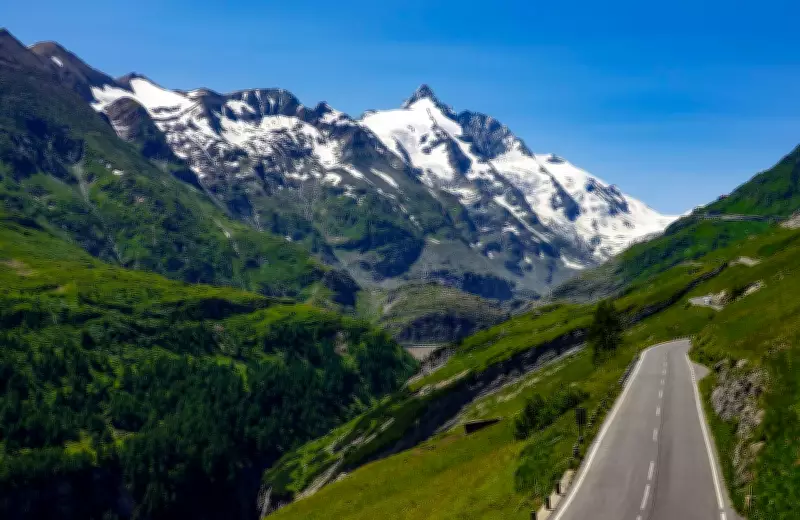
The case that ignited the debate occurred on the Grossglockner, which rises to 3,798 meters (12,461 feet) in the Hohe Tauern range. The male climber reportedly left his girlfriend stranded after she became exhausted and unable to continue. Despite her pleas for help, he descended alone, and she later succumbed to the elements. The incident has been widely condemned and has prompted discussions about the moral obligations of climbers to their partners.
Emerging Stories of 'Alpine Divorce'
Since the Grossglockner tragedy, several other accounts of 'Alpine divorce' have surfaced. These stories often involve climbers prioritizing their own survival over that of their companions, especially in hazardous conditions. Experts note that such decisions can occur when climbers face extreme cold, altitude sickness, or dangerous terrain, but they emphasize that abandoning a partner is generally considered a breach of mountaineering ethics.

- Psychological Factors: The pressure of survival can lead to panic and selfish decisions.
- Ethical Dilemmas: Climbers are trained to help each other, but self-preservation instincts can override training.
- Legal Consequences: In some jurisdictions, leaving a partner to die could lead to criminal charges.
Broader Implications for Mountaineering
The phenomenon has sparked a broader debate within the mountaineering community. Some argue that climbers must accept the risks of the activity and cannot be held responsible for others' fates. Others maintain that there is a moral duty to assist, especially when climbing with a partner. The Austrian case has led to calls for clearer guidelines and education on partner rescue and decision-making in high-altitude environments.
Prevention and Awareness
Mountaineering organizations are now emphasizing the importance of trip planning, communication, and emergency protocols. Climbers are advised to assess their partners' fitness levels and to establish clear plans for emergencies. The hope is that by raising awareness, such tragedies can be avoided in the future.
The Grossglockner case remains under investigation, and the male climber may face legal action. As stories continue to emerge, the mountaineering world is grappling with the harsh realities of survival on the world's most challenging peaks.