Chornobyl's Radioactive Landscape: A Testament to Nature's Resilience
In the shadow of one of history's most catastrophic nuclear disasters, the Chornobyl exclusion zone in Ukraine has transformed into a powerful symbol of nature's indomitable spirit. Nearly four decades after the 1986 reactor meltdown rendered the area uninhabitable for humans, this radioactive landscape is now witnessing a remarkable ecological revival, challenging preconceptions about environmental fragility.
An Unlikely Wildlife Sanctuary Emerges
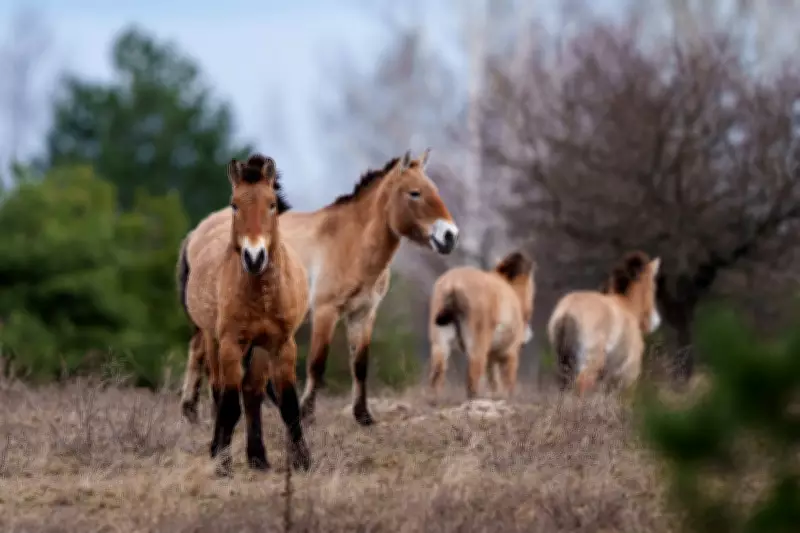
The absence of human activity has allowed numerous species to reclaim territory they had long abandoned. Among the most striking inhabitants are the endangered Przewalski horses, which were reintroduced to the region in the late 1990s and have since established stable populations. These sturdy equines, once extinct in the wild, now graze peacefully in forests that were once considered permanently contaminated.
Scientists monitoring the zone have documented surprising biodiversity, with populations of wolves, lynx, elk, and numerous bird species thriving in what was expected to be a biological wasteland. The resilience displayed by these animals offers crucial insights into how ecosystems can adapt to extreme environmental stressors.

Scientific Discoveries and Ongoing Research
Researchers continue to study the long-term effects of radiation exposure on flora and fauna within the exclusion zone. While some species show genetic mutations and health impacts, many have demonstrated remarkable adaptive capabilities. The Ukrainian name "Chornobyl" has become synonymous not just with tragedy, but with an ongoing natural experiment in recovery.
The transformation of this landscape serves as both a cautionary tale about human technological overreach and an inspiring example of ecological persistence. As climate change and environmental degradation threaten ecosystems worldwide, Chornobyl's unexpected revival provides valuable lessons about nature's capacity for regeneration.
Broader Implications for Conservation
The Chornobyl exclusion zone's evolution challenges conventional conservation approaches that often prioritize human management of natural spaces. This accidental wilderness demonstrates that, under certain circumstances, removing human presence can catalyze ecological recovery even in severely damaged environments.
As the world grapples with increasing environmental challenges, the story of Chornobyl's radioactive landscape offers a complex narrative of destruction and renewal, reminding us of nature's enduring power to reclaim spaces humans have abandoned.