B.C.'s Old-Growth Mapping Panel Accuses Province of Failing to Protect Forests
A panel appointed by the British Columbia government to map and advise on old-growth forests has publicly criticized the province for not taking sufficient action to save these critical ecosystems. The experts, tasked with providing recommendations for conservation, assert that logging continues unabated in key areas, undermining efforts to preserve biodiversity and combat climate change.
Background and Mandate
The panel was established as part of B.C.'s broader strategy to address the decline of old-growth forests, which are vital for carbon storage, water regulation, and habitat for endangered species. Their mandate included identifying priority areas for protection and suggesting sustainable management practices. However, recent assessments indicate that many of their proposals have not been implemented effectively.
Key Allegations
The panel highlights several failures:

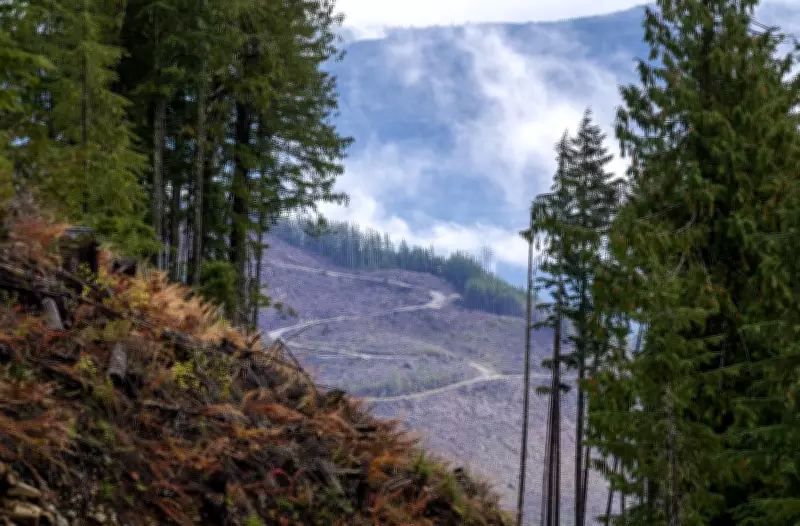
- Ongoing logging in mapped old-growth zones, particularly in regions like Fairy Creek near Port Renfrew, where cut blocks have been documented.
- Inadequate funding and resources allocated to enforcement and monitoring of conservation measures.
- Slow progress on establishing protected areas, with delays attributed to bureaucratic hurdles and political pressures.
Environmental and Social Implications
Old-growth forests in B.C. are not only ecological treasures but also hold cultural significance for Indigenous communities. The panel's criticism underscores broader concerns about environmental justice and the province's commitment to sustainable development. Experts warn that without immediate action, irreversible damage could occur, affecting wildlife, water quality, and local economies dependent on tourism and forestry.
Response from the Province
While the B.C. government has acknowledged the panel's work, officials have defended their efforts, pointing to recent policy updates and collaborative initiatives with First Nations. However, critics argue that these measures fall short of the bold steps needed to halt deforestation and ensure long-term preservation.
Looking Ahead
The situation calls for renewed focus on integrating scientific advice into policy-making. Stakeholders, including environmental groups and industry representatives, are urging the province to accelerate conservation actions and enhance transparency in forest management decisions. The panel's findings serve as a stark reminder of the urgent need to balance economic interests with ecological sustainability in British Columbia's forestry sector.