Artificial Turf Soccer Fields Pose Lethal Threat to Salmon Populations: UBC Research
A groundbreaking study from the University of British Columbia has uncovered a disturbing connection between artificial turf soccer fields and the mass mortality of salmon in local waterways. The research demonstrates that chemicals leaching from recycled tire materials used in these playing surfaces are proving deadly to Coho salmon and various trout species.
The Discovery That Sparked Investigation
The investigation began when the North Shore Streamkeepers, a volunteer ecological stewardship group in North Vancouver, discovered a significant fish kill event in Mosquito Creek. The location of this mass death was adjacent to William Griffith Park, which features a large artificial-turf playing field. This proximity raised immediate questions about potential contamination from the field.
"The concern about that site emerged because there was a fish kill in that creek, and the Streamkeepers were aware of 6PPD-quinone and knew it was next to a turf field," explained Dr. Rachel Scholes from the University of British Columbia. "They essentially asked us, 'Could the field have caused it?'"

Chemical Culprit Identified
The primary chemical of concern is 6PPD-quinone, a substance used in tires to prevent degradation that becomes toxic when it breaks down. Previous research had already established this chemical's lethal effects on fish when rubber waste washes off roads into waterways. The UBC study now confirms that artificial turf fields containing crumb rubber—ground-up recycled tires used as infill—release this same toxic compound into storm and freshwater systems.
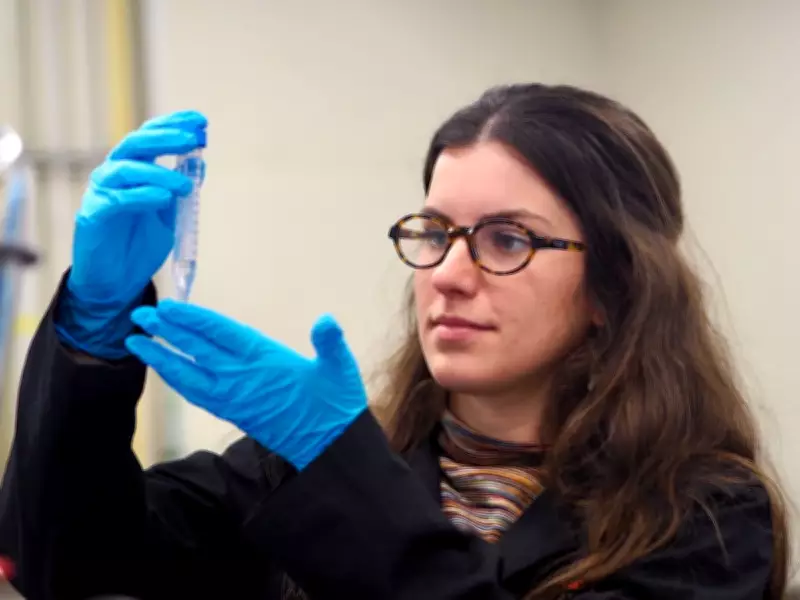
Katie Moloney, a PhD student at UBC who led the study, documented how runoff from artificial turf fields can prove toxic to fish stocks in local waterways. The environmental engineering lab at UBC launched their investigation in late 2023, culminating in recently released findings that establish a clear link between turf fields and aquatic toxicity.
Comprehensive Field Analysis
The UBC research team examined twelve turf fields of varying ages across Metro Vancouver. Nine of these fields utilized crumb rubber infill, while three employed alternative materials. Researchers collected water samples from drainage systems following rainstorms and conducted detailed chemical analysis.
The findings were alarming: crumb-rubber fields consistently released 6PPD-quinone and other contaminants into the water table. With an average of 125 tonnes of crumb rubber—equivalent to approximately 20,000 tires—used in each field's composition, the potential for significant harm to fish populations became evident.
Broad Ecological Impact
While Coho salmon were the initial species that revealed the toxicity problem, subsequent testing has shown broader impacts. "It's not just Coho. Coho are the ones for which it was discovered," noted Dr. Scholes, who supervised the study. "Since then, toxicity testing has been conducted on a wide range of organisms. It's similarly acutely toxic to cutthroat trout and juvenile rainbow trout. Chinook salmon are also susceptible, though to a lesser degree."
The research indicates that in scenarios where sports fields or complexes have drainage systems directed toward salmon-bearing streams, the ecological consequences could be substantial. While the study doesn't definitively prove the William Griffith Park field caused the specific fish kill that initiated the investigation, it establishes that toxic chemicals from such fields likely contributed to water toxicity affecting fish populations.
Implications for Environmental Management
This research raises important questions about the environmental sustainability of using recycled tire materials in recreational facilities near sensitive aquatic ecosystems. The findings suggest that current artificial turf installations may require redesign of drainage systems or alternative materials to prevent further contamination of waterways supporting salmon and trout populations.

The UBC study represents a significant contribution to understanding how urban recreational infrastructure interacts with fragile aquatic ecosystems, highlighting the need for more environmentally conscious design and material selection in sports facility construction and maintenance.