Artificial Turf in Metro Vancouver Releases Chemical Deadly to Coho Salmon: UBC Study
A groundbreaking study from the University of British Columbia has uncovered a significant environmental threat in Metro Vancouver. Researchers have found that artificial turf fields, commonly used in sports and recreational areas, are releasing a chemical from crumb rubber infill that is lethal to coho salmon. This discovery raises urgent questions about the ecological impact of these widely adopted synthetic surfaces.
Chemical Leaching from Recycled Tire Infill
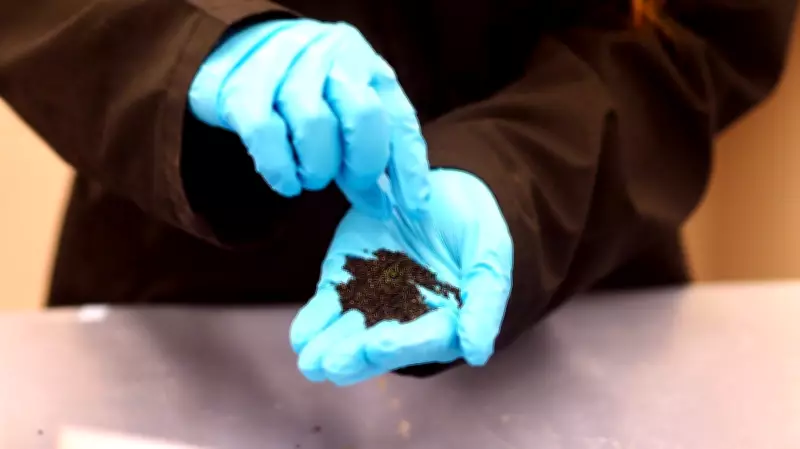
The study focused on crumb rubber infill, which is made from recycled tires and used to cushion artificial turf fields. UBC researchers meticulously examined the chemicals leaching from this material, identifying a specific tire-derived compound that is toxic to coho salmon. This chemical can enter waterways through runoff, posing a direct threat to salmon populations in the region.
Coho salmon are a vital species in Pacific Northwest ecosystems, supporting both biodiversity and local fisheries. The presence of this deadly chemical in their habitat could have cascading effects on the entire aquatic food web. The researchers emphasized that the leaching process is ongoing, with fields continuously releasing the toxin over time, especially during rain events that wash it into nearby streams and rivers.

Implications for Environmental Policy and Public Health
This UBC study highlights a critical gap in current environmental regulations regarding artificial turf. While these fields are promoted for their durability and low maintenance, their potential harm to wildlife has been largely overlooked. The findings call for a reevaluation of safety standards and the materials used in synthetic turf installations.
Metro Vancouver has numerous artificial turf fields in parks, schools, and sports facilities, making this issue particularly relevant for local communities. The research suggests that alternative infill materials or improved containment systems may be necessary to mitigate the risk. Additionally, there are concerns about human exposure, as chemicals from crumb rubber could potentially affect public health, though the study primarily focused on aquatic impacts.
Broader Context and Future Research Directions
The discovery aligns with growing global awareness of microplastic and chemical pollution from synthetic materials. Artificial turf fields are part of a larger trend where recycled products, while environmentally friendly in theory, may have unintended consequences. UBC researchers plan to expand their study to assess long-term effects on other species and ecosystems.
In response to these findings, environmental advocates are urging policymakers to consider stricter guidelines for artificial turf use. This could include mandatory testing for chemical leaching and incentives for adopting safer alternatives. The study serves as a stark reminder of the interconnectedness of urban infrastructure and natural environments, emphasizing the need for sustainable solutions that protect both.