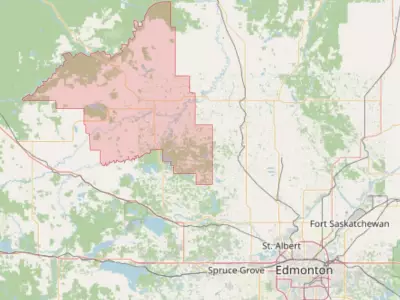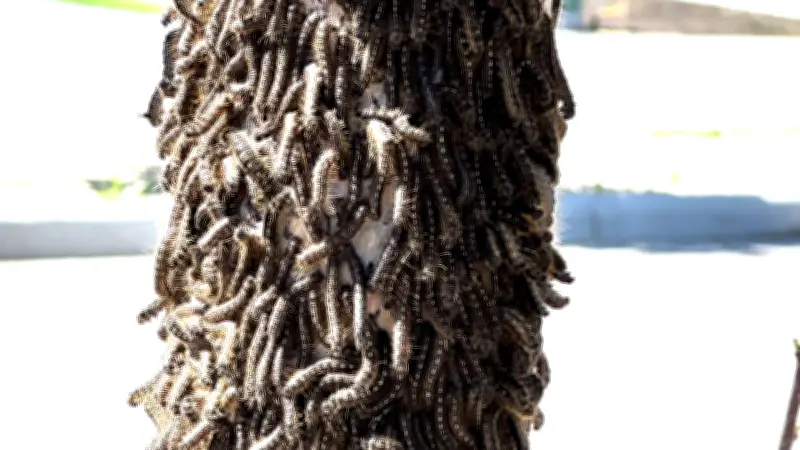
Alberta is currently witnessing a significant boom in tent caterpillar populations, marking one of the largest outbreaks in recent years. The surge in these insects has been observed across various parts of the province, raising concerns among residents and experts alike.
Why the Boom Now?
According to entomologists, the outbreak is attributed to favorable weather conditions, including a mild winter and early spring warmth, which allowed caterpillar eggs to survive and hatch in large numbers. The insects, known for building silk tents in trees, feed on leaves and can cause defoliation.
Dr. Sarah Mitchell, a researcher at the University of Alberta, explained, "The combination of temperatures and lack of late frosts created an ideal environment for tent caterpillars to thrive. This cycle happens periodically, but this year's numbers are notably high."

Impact on Residents and Environment
While tent caterpillars are not harmful to humans, their presence can be unsettling. "It can be somewhat discomforting for folks to see trees covered in webs and caterpillars crawling on sidewalks," said Mitchell. The caterpillars can strip trees of leaves, but healthy trees typically recover.
Local communities have reported increased sightings in parks, backyards, and along roadsides. Some residents have expressed concern about the aesthetic impact on their properties and the potential for tree damage.
Management and Control
Experts recommend natural control methods, such as encouraging birds and beneficial insects that prey on caterpillars. Pruning and removing egg masses in fall can also help reduce populations. Pesticides are generally discouraged due to potential harm to non-target species.
Municipalities are monitoring the situation and advising residents to avoid disturbing the caterpillars unless necessary. The outbreak is expected to subside as the caterpillars pupate and transform into moths later in the summer.
This event serves as a reminder of the natural cycles in Alberta's ecosystems and the importance of maintaining biodiversity to keep pest populations in check.