Alberta Launches Public Review for Kananaskis Country's Future Direction
The provincial government of Alberta has initiated a comprehensive public consultation process to establish a guiding vision for the Ghost-Kananaskis area, a sprawling natural region facing unprecedented human pressures. This review comes at a critical juncture for the cherished landscape, which conservationists describe as being at a crossroads due to rapidly increasing recreational and industrial demands.
A Unique Natural Treasure Under Threat
Trevor Julian, executive director of the advocacy group Friends of Kananaskis Country, emphasized the area's exceptional value, stating, "We only get one chance to preserve it and to have a space like that an hour from the city is unique in the world." His words underscore the urgency felt by environmental advocates who view the consultation as both an opportunity and a necessity.
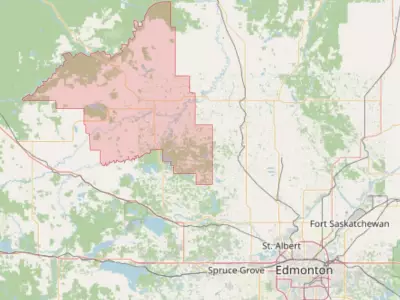
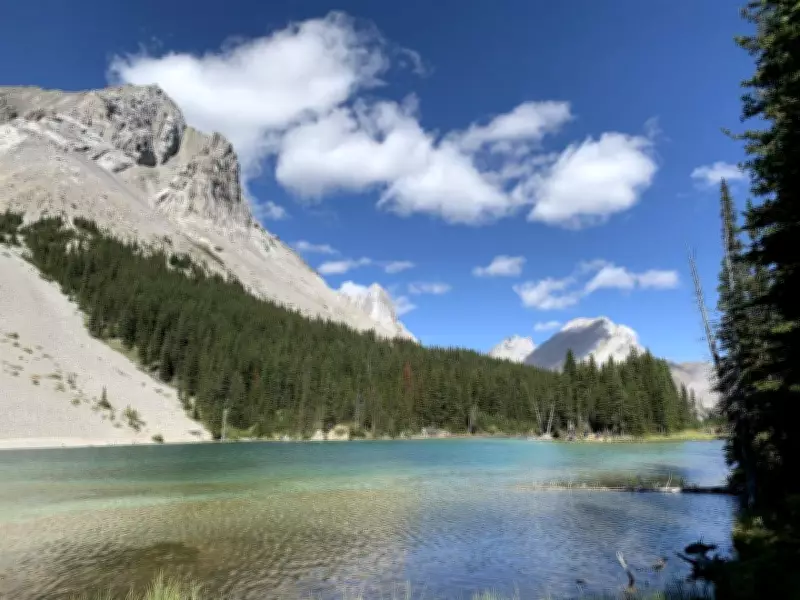
The Ghost-Kananaskis region encompasses nearly 6,900 square kilometres of foothills and mountainous terrain, stretching south from west of Cochrane to the rugged wilderness west of Longview. This vast area attracts millions of visitors annually, with Kananaskis Country now hosting over 5 million people each year—surpassing even the visitation numbers of Banff National Park.

Government Seeks Balanced Approach
Grant Hunter, Alberta's Minister of Environment and Protected Areas, framed the consultation as an inclusive effort to balance multiple priorities. "Ghost and Kananaskis are some of Alberta's most prized and beautiful natural landscapes, attracting visitors from around the world," Hunter said in an official statement. "We want to hear from anyone who lives, works or plays here so we can create a plan that helps manage the growth of recreational use, creates jobs, supports rural and Indigenous communities and strengthens sustainable conservation."
The government's initiative invites Albertans to share their perspectives on how recreational activities, tourism operations, and natural resource utilization should evolve in the region. This feedback will help shape policies for the next fifty years, marking a significant milestone since the area was originally established under former premier Peter Lougheed's administration.
Conservationists Voice Concerns About Development Plans
Despite the government's outreach, some conservation advocates express skepticism about the consultation's effectiveness, suggesting that key decisions may have already been made. Chloe Hahn, conservation coordinator for the Canadian Parks and Wilderness Society's southern Alberta chapter, acknowledged the value of public input while highlighting significant gaps in the planning process.
"Any kind of public consultation is great, we want Albertans to express what they value," Hahn stated. "But one of the things significantly lacking is landscape-level planning and assessment of cumulative effects." Her concerns reflect broader anxieties about potential environmental impacts from proposed developments.
All-Season Resort Projects Raise Alarm
A primary example of these development pressures is the planned transformation of Fortress Mountain into a year-round resort facility. The proposal includes constructing 1,200 housing units for visitors and staff, representing a substantial expansion of infrastructure in the sensitive ecosystem.
This project aligns with the provincial government's broader tourism strategy, which aims to boost industry revenues to $25 billion by 2035. In December, officials announced that all-season resort developments at Fortress Mountain, Castle Mountain, and Nakiska are scheduled to commence this year, following the implementation of Alberta's 2024 All Season Resorts Act.
The province estimates that converting these ski resorts into year-round destinations will generate $4 billion in visitor spending over the next decade, while creating approximately 24,000 new jobs and contributing $3.6 billion to Alberta's GDP. However, conservationists warn that such economic benefits must be carefully weighed against potential ecological damage and the loss of wilderness character.

As the consultation process unfolds, stakeholders from across Alberta will have the opportunity to shape the future of one of the province's most beloved natural areas. The outcome will determine whether Kananaskis Country can maintain its ecological integrity while accommodating growing human presence—a challenge that requires thoughtful planning and genuine commitment to sustainable stewardship.