Alberta's population is projected to grow by 39 per cent over the next 25 years, reaching seven million by 2051, according to a provincial government study released Thursday. The growth will be driven overwhelmingly by international immigration, with 76 per cent of new residents coming from other countries, a trend that undermines separatist arguments that Alberta is distinct from the rest of Canada.
Key Projections and Demographic Shifts
The study, titled “Population projections: Alberta and local geographic areas, 2026–2051,” shows Alberta will add two million people to its current five million. Natural population growth (births minus deaths) will contribute 362,000 residents, though many of those births will be to new Canadian families. The province’s average age will rise from 39.2 to 43.4 years, though Alberta will remain one of Canada’s youngest provinces.
Population will become increasingly concentrated in the Edmonton-Calgary corridor, with 82 per cent of Albertans living in Edmonton, Calgary, Red Deer, and the area between them by 2051. Alberta is already the third-most urbanized province, with 82 per cent living in cities, behind only Ontario and British Columbia at 85 per cent each.

Impact on Separatist Sentiment
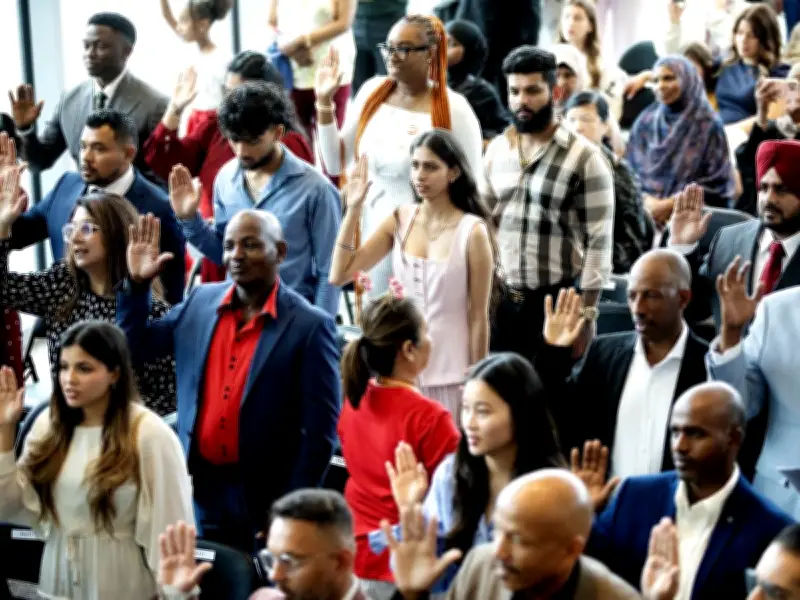
The projections deal a blow to separatist ambitions, as the influx of international immigrants is expected to make Alberta more diverse and less distinct from the rest of Canada. “This means Alberta’s population will become increasingly diverse,” the study notes, reducing the cultural and demographic differences that separatists often cite. The growth rate of 1.3 per cent annually after 2026 is also more manageable for housing, health care, and schools, potentially easing political tensions over resource allocation.
Earlier this year, Premier Danielle Smith faced backlash for suggesting a goal of 10 million residents by 2050. The new projections are far more conservative and realistic, according to columnist Lorne Gunter, who wrote the analysis.
Broader Context and Challenges
Alberta’s growth will slow noticeably in 2026 due to federal reductions in temporary visas, but then stabilize. The province must absorb the newcomers while maintaining public services and infrastructure. The urbanization trend also raises questions about rural representation and political power.
As Gunter concludes, the numbers raise “interesting questions about what the province will look like in 2051 and what will happen to its politics.” The demographic shift suggests a future Alberta that is older, more urban, more diverse, and less inclined toward separatism.