Kaktovik's Tourism Revival Effort
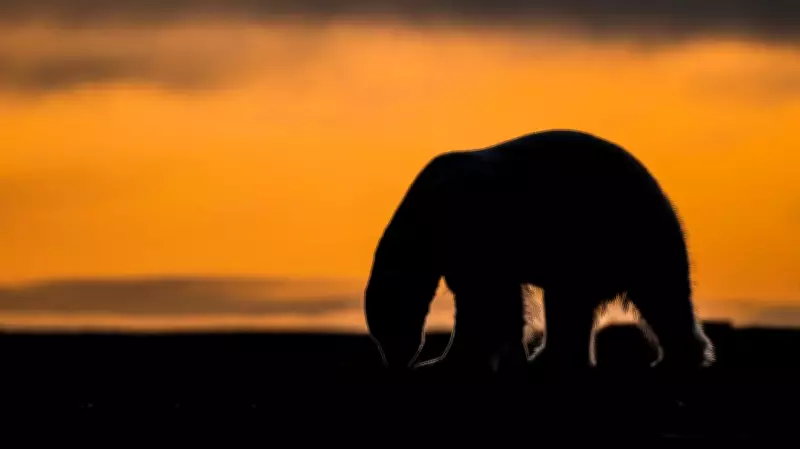
A small Arctic village in Alaska is making efforts to revitalize its polar bear tourism industry, which has faced challenges from changing environmental conditions and economic pressures. Kaktovik, located on Barter Island, has long been a destination for tourists seeking to view polar bears in their natural habitat. However, recent years have seen a decline in visitor numbers, prompting local leaders and businesses to seek new strategies to attract wildlife enthusiasts.
Challenges Facing the Industry
The polar bear tourism season in Kaktovik typically runs from late summer through early autumn, when bears congregate near the coast waiting for sea ice to form. Climate change has altered ice patterns, affecting bear behavior and the timing of their arrival. Additionally, logistical issues such as limited flights and accommodations have made it difficult for tourists to reach the remote village. The COVID-19 pandemic further disrupted travel, leading to a sharp drop in visitors.
Community Initiatives
Local tour operators and the Kaktovik Inupiat Corporation are collaborating to promote the village as a premier polar bear viewing destination. They are investing in marketing campaigns targeting international tourists and improving infrastructure, such as upgrading the local airstrip and expanding lodging options. The community is also working with wildlife researchers to ensure that tourism remains sustainable and does not disturb the bears or their environment.

Economic Importance
Tourism is a vital source of income for Kaktovik, which has a population of about 250. The polar bear season provides jobs for guides, drivers, and hospitality workers, and supports local businesses. Reviving this industry is seen as crucial for the village's economic resilience, especially as traditional livelihoods like whaling and fishing face uncertainties from climate change.
Looking Ahead
With the 2026 season approaching, Kaktovik is optimistic about a rebound. Early bookings and inquiries suggest growing interest from travelers eager to witness polar bears in the wild. However, the community remains mindful of the need to balance economic benefits with environmental stewardship, ensuring that the village's unique wildlife and culture are preserved for future generations.