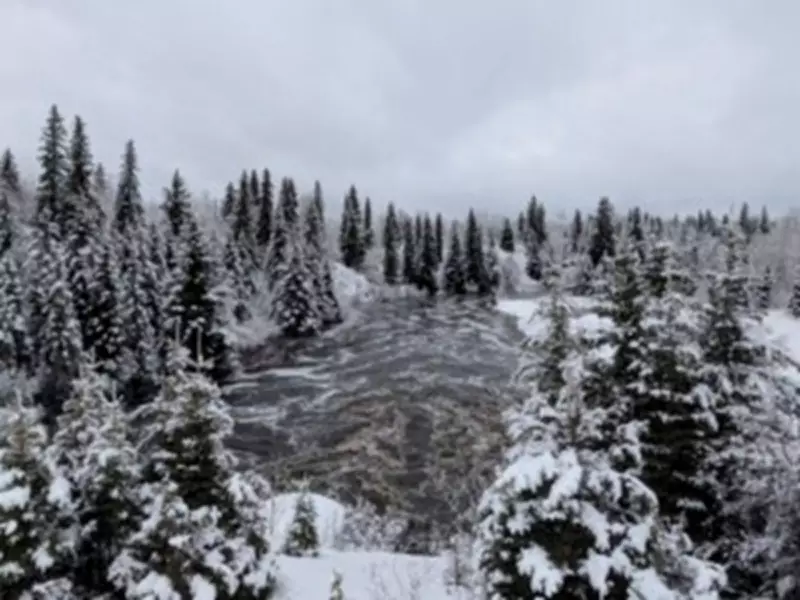
This spring, large, late snowpacks and rapid melt have given rise to floods in many rural, First Nation, Métis, and farming communities across Saskatchewan. Spring flooding is not isolated to this province; what is happening here is playing out in locations across Canada.
As the floodwaters recede, the financial costs will be tallied. But are these the only costs that matter? As many people know from dealing with flood damages, flood costs extend beyond fixing and replacing damaged infrastructure. It also means replacing household items and food and the added expenses of staying somewhere else when it is not possible to return home.
Flood costs also go far beyond what can be measured in dollars. For many, it is a substantial source of stress and anxiety that leaves people wondering: Will I have to evacuate? Where will I go? Will my house or business still be here when I return? And the reality is that, sometimes, it will be damaged beyond repair, or uninsurable.

When roads and bridges wash out, the choice of evacuating or not is no longer available and stress quickly shifts to securing food and water and keeping yourself and your family safe. During floods, people can become sick and face barriers to accessing healthcare for existing medical conditions. Mold presents a secondary threat after floods, contributing to chronic health issues that may be further exacerbated by wildfire smoke and dust storms.
Beyond this, floods create delays as people stay home to limit damage and manage clean-up. Seeding is pushed back on flooded fields, and resources are reallocated to focus on flood damage mitigation and recovery. These losses of time, physical health, place, belongings, and memories — and their ripple effects — may be difficult to quantify in dollars and cents, but their impacts can last long after the floodwaters recede.
Yet, alongside these losses, floods can also spur new relationships and strengthen community solidarity. This can look like towns working with rural municipalities to share resources; producers volunteering their heavy equipment to help rebuild or regrade roads and support neighbours; and family, friends, and strangers stepping up for one another.
Our waterscapes in Saskatchewan are changing, with uncertainty and extremes becoming the new normal. This is why national water security begins and ends with local water security. Our formal and informal social systems need to be reliable, responsive, and shaped by local realities.
The kind of resilience that is necessary to fight flooding depends on strong foundations: local knowledge, robust data, and sustained research. It requires disaggregated data, long-term and community-based monitoring, and tools that support local decision-making, including impact-based forecasting that helps translate information into timely action. The water community at the University of Saskatchewan is actively working with communities, the Water Security Agency, and other partners on data collection, models, and tools towards building these strong foundations.