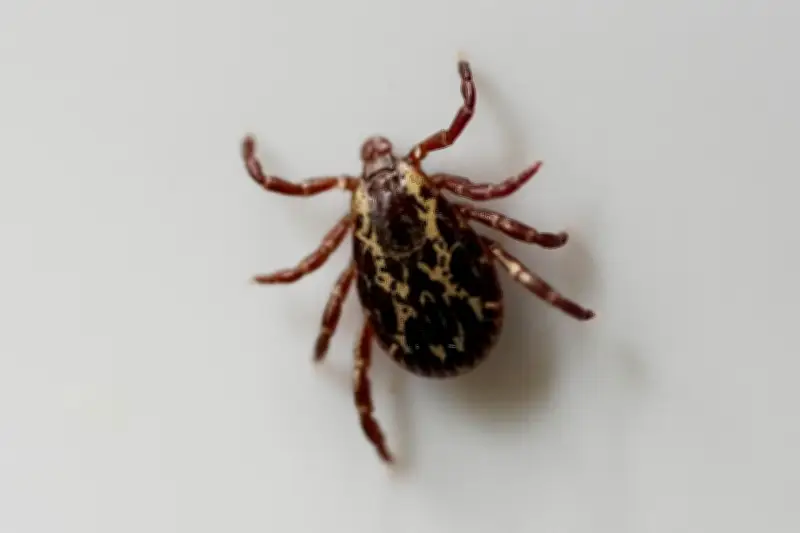
Lyme disease on the rise in Canada, but still likely underdiagnosed
Lyme disease is becoming more common in Canada, yet many cases may go undetected, according to health experts. As tick populations expand into new regions, the risk of encountering infected blacklegged ticks increases. The Public Health Agency of Canada reports that reported cases have risen steadily over the past decade, but the actual number may be three to five times higher due to underreporting and diagnostic challenges.
How to protect yourself from ticks this summer
To reduce your risk, experts recommend using insect repellents containing DEET or icaridin, wearing long-sleeved shirts and pants when in wooded or grassy areas, and performing thorough tick checks after outdoor activities. Showering within two hours of being outdoors can help wash off unattached ticks. Tumbling clothes in a dryer on high heat for 10 minutes kills any ticks that may have hitched a ride.
Where ticks are found
Blacklegged ticks, which carry the bacteria that cause Lyme disease, are most common in southern Ontario, southern Quebec, Nova Scotia, New Brunswick, and parts of Manitoba and British Columbia. However, their range is expanding northward due to climate change. Ticks are typically found in leaf litter, tall grass, and wooded areas, especially where deer and small rodents are present.

Symptoms to watch for
Early symptoms of Lyme disease include fever, headache, fatigue, and a characteristic bull's-eye rash called erythema migrans. If left untreated, the infection can spread to joints, the heart, and the nervous system. According to Dr. Vett Lloyd, a tick expert at Mount Allison University, “Early diagnosis is key. If you find a tick or develop symptoms after a tick bite, see a doctor immediately.”
What to do if you find a tick
If you find a tick attached to your skin, use fine-tipped tweezers to grasp it as close to the skin's surface as possible and pull upward with steady, even pressure. Do not twist or jerk the tick, as this can cause mouth parts to break off. Clean the bite area with rubbing alcohol or soap and water. Submit the tick to a local health unit for testing if possible.
Rising cases and underdiagnosis
Canada recorded over 2,000 confirmed Lyme disease cases in 2025, up from 1,500 in 2020. However, a study published in Canada Communicable Disease Report suggests the true incidence may be five times higher. Many cases are missed because symptoms mimic other illnesses and testing can be unreliable early on. “We are likely seeing only the tip of the iceberg,” says Dr. Lloyd. “Awareness and prevention are our best tools.”