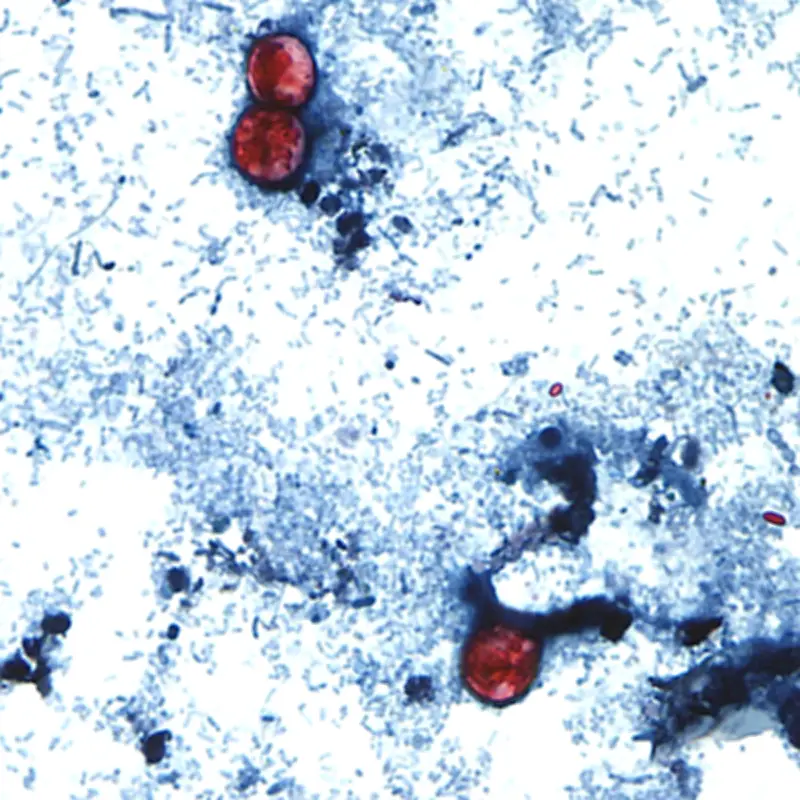
A microscopic parasite causing explosive diarrhea in the United States could spread to Canada if health officials cannot quickly identify the source of contamination, according to an expert. Cyclospora, a single-celled organism found in human feces, has tainted U.S. produce through contaminated water, raising concerns about cross-border transmission.
What is Cyclospora and how does it spread?
Cyclospora cayetanensis is a parasite that infects the small intestine, leading to watery diarrhea, stomach cramps, nausea, and fatigue. It is typically transmitted through ingestion of contaminated food or water. In the U.S., recent outbreaks have been linked to fresh produce such as cilantro, basil, and salad mixes. The parasite can survive in water and on produce for extended periods, making it difficult to eradicate once introduced into agricultural systems.
Dr. Sarah Johnson, an infectious disease specialist at the University of Toronto, warned that if the U.S. cannot contain the outbreak, Canada could see cases within weeks. “Given the integrated nature of our food supply chains, it’s only a matter of time before Cyclospora reaches Canadian tables if the source isn't found,” she said. The U.S. Centers for Disease Control and Prevention (CDC) has reported over 500 cases across 20 states since May 2026, with hospitalizations in 10% of cases.

Impact on public health and food safety
The parasite poses a significant risk to vulnerable populations, including children, the elderly, and immunocompromised individuals. Symptoms can last from a few days to several weeks and may relapse. Treatment typically involves antibiotics such as trimethoprim-sulfamethoxazole. The economic impact includes lost productivity and increased healthcare costs. The Canadian Food Inspection Agency (CFIA) has increased surveillance of imported produce, but experts argue that more aggressive action is needed.
“We need to trace the contamination back to its source—likely irrigation water—and implement stricter safety protocols,” Johnson added. The U.S. Food and Drug Administration (FDA) has launched an investigation but has yet to pinpoint the origin. Meanwhile, Canadian health officials are advising consumers to wash produce thoroughly and cook it when possible.
Preventive measures and cross-border cooperation
To mitigate the risk, Canada and the U.S. are collaborating on data sharing and testing methods. The Public Health Agency of Canada has issued a travel advisory for those visiting affected U.S. regions. However, Johnson emphasized that prevention is key: “Investing in water treatment infrastructure and farm hygiene can stop Cyclospora at the source.”
As of now, no cases have been confirmed in Canada, but the situation remains fluid. Health Canada recommends that individuals experiencing prolonged diarrhea seek medical attention and report any suspected cases to local health authorities. The coming weeks will be critical in determining whether the parasite crosses the border.