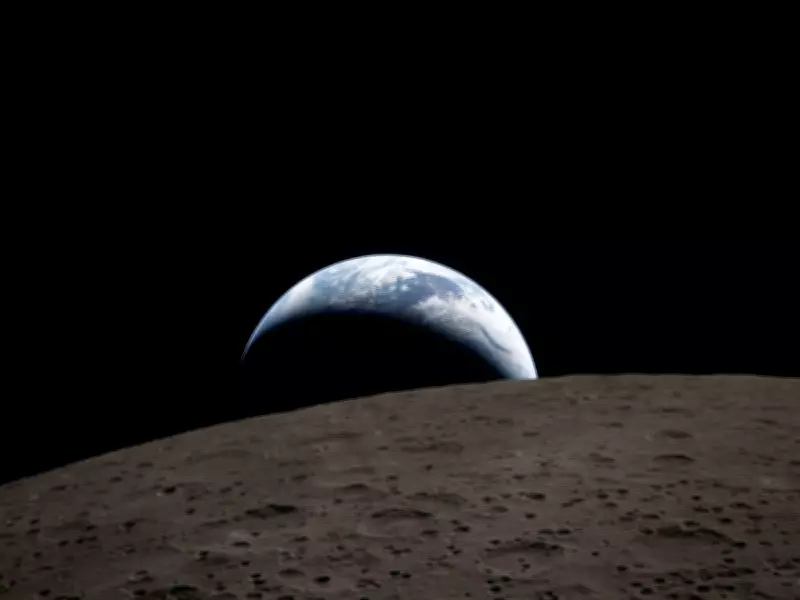
Astronomy often presents us with terms that can be misleading. The blue micromoon occurring on May 30, 2026, will not appear blue, nor will it be particularly micro in size. Nevertheless, it remains a fascinating lunar event worth observing. Here is everything you need to know about this celestial phenomenon.
What Is a Blue Moon?
There are two definitions of a blue moon. The traditional definition refers to the third full moon in a season that contains four full moons instead of the usual three. The more modern and widely used definition describes a blue moon as the second full moon occurring within a single calendar month. This definition originated from a misinterpretation in a 1946 issue of Sky & Telescope magazine, an oversight that has since become popularized.
What Is a Micromoon?
While the moon's actual size remains constant, its apparent size changes depending on its position in its orbit when fully illuminated. A micromoon occurs when the moon is at its apogee, the farthest point from Earth, approximately 407,000 kilometers away. In contrast, a supermoon takes place at perigee, the closest point, about 357,000 kilometers away. The difference in apparent size between a micromoon and a supermoon is roughly 14 percent, with a 30 percent difference in brightness.

Is the Moon Actually Blue?
No, the moon does not turn blue under normal circumstances. However, historical events have caused temporary color changes. In 1883, the eruption of the Krakatoa volcano released ash high into the atmosphere, which filtered moonlight and gave it a blue-green tint. Similar effects were observed after the eruptions of El Chichon in Mexico (1983), Mount St. Helens (1980), and Mount Pinatubo (1991), though these were less dramatic.
How Rare Are Blue Moons?
The phrase "once in a blue moon" implies rarity, but blue moons occur approximately once every 33 months, or about 41 times per century. Notably, 2018 featured a rare double blue moon, with blue moons in January and March, and no full moon in February—a phenomenon known as a black moon. The next such event will happen in 2037. Seasonal blue moons are slightly rarer but still occur every two to three years on average.
The next seasonal blue moon is expected on May 20, 2027, while the next monthly blue moon will occur on New Year's Eve 2028. The next micro full moon is just a month away, on June 29, 2026. However, the combination of a blue moon and a micromoon will not happen again until 2053.
How to See the Blue Micromoon
Viewing the blue micromoon is straightforward. On the evening of May 30, 2026, the full moon will rise shortly after sunset and remain visible throughout the night. The only requirement is clear skies. As an added bonus, the bright star Arcturus will appear just to one side of the moon. Despite its name, Arcturus shines with a reddish hue.