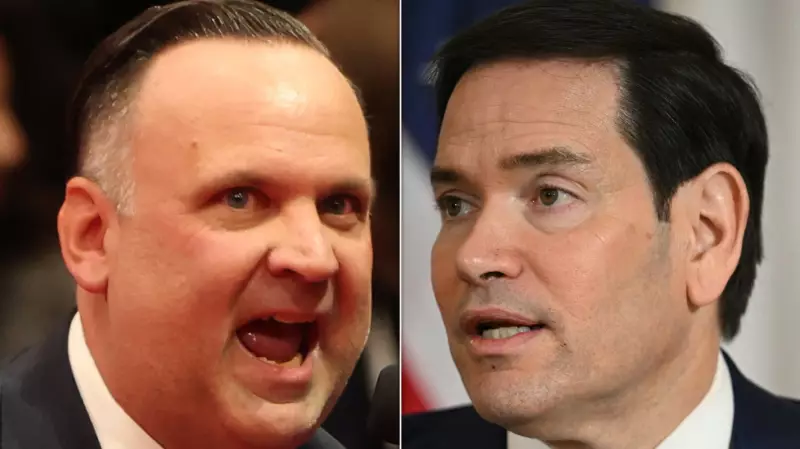
A series of extreme close-up portraits of top Trump administration officials, published in Vanity Fair this week, has ignited a fierce online debate, prompting the photographer to defend his artistic vision and leading to sharp rebukes from the subjects themselves.
Photographer Defends His Artistic Vision
Christopher Anderson, the photographer behind the controversial images, told The Independent that his style is intentional. "Very close-up portraiture has been a fixture in a lot of my work over the years," Anderson stated, adding that he aims to "penetrate the theater of politics." The portraits feature seven members of President Donald Trump's inner circle, including senior aide Stephen Miller, Secretary of State Marco Rubio, and Vice President JD Vance.
Anderson explained to The Washington Post that the concept originated "many years ago" for his 2014 book "Stump," which he described as an attempt to move past the stage-managed image of politics. "I know there's a lot to be made with, 'Oh, he intentionally is trying to make people look bad'... that's not the case," he argued, noting he has used the same style on people from all political backgrounds.

Officials and Allies Strike Back Online
The reaction from the portrayed officials was swift and critical. Secretary of State Marco Rubio took to X to condemn the article and photos. "It is obvious to most people that Vanity Fair deliberately manipulated pictures and reported statements without context to try and make the WH team look bad," he wrote on December 17, 2025.
White House deputy chief of staff Dan Scavino also lashed out online, specifically targeting the anti-Trump Lincoln Project after it mocked his hairstyle as a "Hitler youth ass haircut." "They know exactly what referring to me as Hitler does with 2.8 million followers— These are some sick and twisted bastards," Scavino wrote on X.
Controversy Focuses on Press Secretary's Portrait
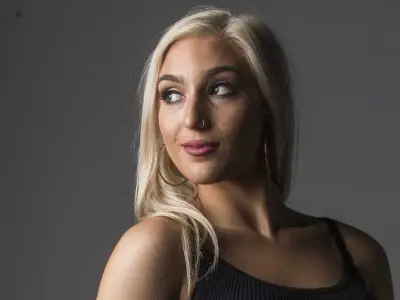
The portrait that drew the most intense scrutiny was that of press secretary Karoline Leavitt, whom Vanity Fair labeled "The Mouth Piece." Online commenters heavily focused on marks that appeared to be lip injection sites. One popular comment with over 6,000 likes sarcastically noted, "Genius. The injection marks really sing in this one!"
This mockery, however, sparked a significant backlash from others who criticized it as misogynistic. One X user responded to a Democratic National Committee post sharing the portrait, stating, "Utilizing misogyny (this post mocks her looks, specifically related to age) against bad women is still proliferating misogyny." Another defended Leavitt, writing, "I think it's crazy to comment on a woman's... appearance to perpetuate the idea that 'looking old' is the worst thing that could happen to us."
Anderson addressed the Leavitt controversy directly, telling The Washington Post he was surprised by the expectation to retouch her image. "People seem to be shocked that I didn't use Photoshop to retouch out blemishes and her injection marks. I find it shocking that someone would expect me to retouch out those things," he said, noting Leavitt had her own groomer present. He simply stated, "I didn't put the injection sites on her."
The debate continues to rage online, highlighting the intersection of political photography, media bias, and personal image in the digital age.