Tel Aviv Bomb Shelters Transform into Underground Dance Clubs During Iranian Conflict
While thumping techno music reverberates through a basement in downtown Tel Aviv, approximately 200 Israeli twentysomethings are dancing through the night, despite the ongoing war with Iran that has upended life above ground. As missile alerts and piercing sirens have become regular occurrences since the conflict began eleven days ago, a resilient group of revelers has found an innovative way to keep the party alive by converting bomb shelters into vibrant night clubs.
Finding Strength Through Dance in Difficult Times
"Dancing in difficult times is a relief. It gives us strength," explained Ruben Chekroun, one of the organizers behind these semi-clandestine dance nights. "It's hard right now, so we might as well try to make the best of it," he told AFP, capturing the defiant spirit of Tel Aviv's youth. The war erupted on February 28 when the United States and Israel launched heavy missile fire against Iran, resulting in the death of supreme leader Ali Khamenei. Tehran responded with drone and missile strikes targeting Israeli and U.S. interests across the region.
From Stranded Visitors to Party Organizers
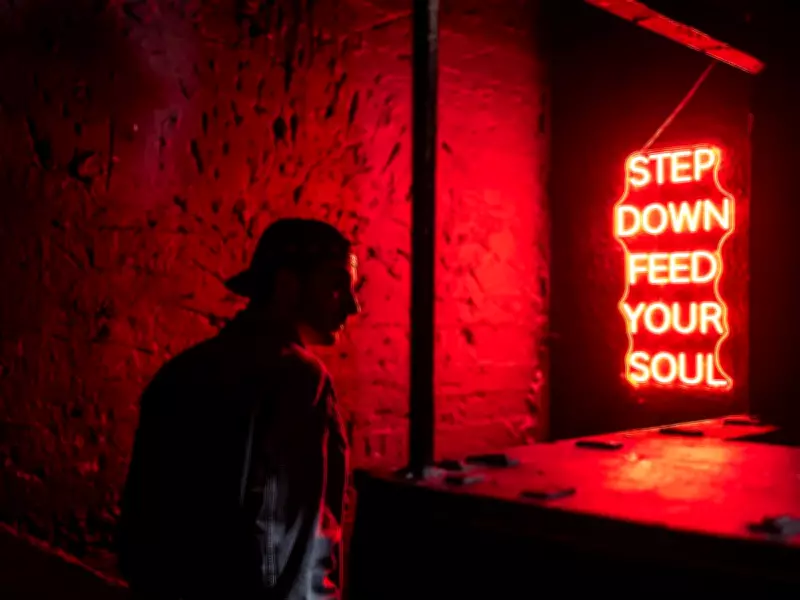
Chekroun, a French-Israeli, was among a group of friends visiting Tel Aviv for the Jewish holiday of Purim when they became stranded as the conflict shut down flights. With nightlife in the usually party-loving commercial hub grinding to a halt due to the threat of attacks, they decided not to let the fun stop. "Stuck because of the war, unable to go out at night, we ended up spending our days on the beach and came up with this great idea for partying safely," said Ilan Eber, another member of the group, wearing his cap backwards. "We did a bit of advertising on social media, and it just went crazy!"

Bunker Parties Gain Momentum and Tolerance
So far, four "bunker parties" have been held in locations such as underground parking lots that have been specially designated as bomb shelters. While these events technically seem to contravene restrictions on mass gatherings, authorities have tolerated them. "The police came each time. Now they understand that we're not doing anything wrong," Eber noted. For the first time, one night's festivities took place in the basement of a nightclub off the usually buzzing Dizengoff Street, which had been shut until then.
A Safe Haven Amidst the Danger
One clubber, who gave only her nickname "Goldilocks," emphasized the safety aspect: "It's just like being in a shelter. If there's a siren, we're protected from the bombing. It's the place to be!" Although Israel's state-of-the-art air defenses have largely protected the country from Iran's barrages, Tel Aviv has been repeatedly targeted. On the first day of the war, a woman in her forties was killed by missile fire, which wounded about twenty others in the bloodiest incident there so far.
Maintaining Normalcy in a City Under Threat
Despite the ongoing threat, Tel Aviv maintains a laid-back vibe during the day, known for its cultivated cool and hipster atmosphere. Shirtless joggers continue to run along the Mediterranean seafront, and yoga sessions are held near the beach, showcasing the city's resilience. This transformation of bomb shelters into dance clubs not only provides entertainment but also serves as a powerful symbol of defiance and community spirit in the face of adversity.