The Canadian television series "Heated Rivalry" has scored an international goal, captivating audiences far beyond its home borders. Author Allan Stratton, writing for the National Post on January 19, 2026, tuned in partly out of curiosity about its advertised graphic content but found himself staying for the compelling characters and their heartfelt story.
From Page to Screen: A Romance on Ice
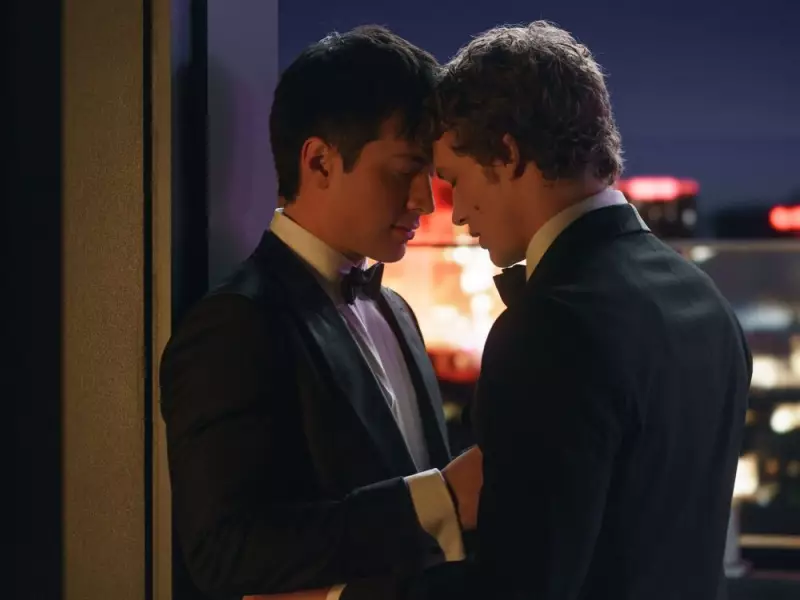
Adapted from Rachel Reid's popular series of gay hockey romance novels, the show centers on two young, closeted professional hockey stars in a fictionalized NHL. Shane Hollander, played by Hudson Williams, is the quintessential polite Canadian with a powerhouse family meticulously managing his wholesome image for sponsorships. His rival and love interest is Ilya Rozanov, portrayed by Connor Storrie, a Russian "bad boy" from a military family with ties to President Vladimir Putin's homophobic regime.
For both men, coming out would mean career suicide. For Rozanov, it would also mean never being able to return home. While the premise—that the league's two biggest stars are secretly attracted to each other—requires some suspension of disbelief, Stratton argues the show's success lies in its execution.

Chemistry and Character Drive the Story
The series works, according to Stratton, because creator Reid and screenwriter/director Jacob Tierney keep a sharp focus on the characters' personal stakes. This is amplified by the "lightning in a bottle" chemistry between leads Williams and Storrie, a credit to casting directors Jenny Lewis and Sara Kay.
The show is notably explicit in its depiction of gay sex, with Stratton noting it contains "everything but full frontal and penetration." The initial episodes could be mistaken for high-quality soft-core porn, but the narrative quickly deepens. The physical relationship becomes the foundation for a love that grows to encompass far more than just sex.
The series meticulously charts the emotional arc of a secret affair: the tense testing of attraction, the awkward first encounter, the subsequent denial, and the pain of forced separation punctuated by furtive meetings when their teams face off.
Beyond the Sex: The Emotional Weight of the Closet
From the third episode onward, the focus shifts significantly. The struggle is no longer just about attraction but about maintaining their bond against immense pressure from family, teammates, fans, and their own attempts to conform by dating women.
Hollander grapples with his inability to be honest with his image-obsessed parents. Rozanov confronts family trauma during a visit to Russia, facing an abusive older brother and a dying father who never showed him love. Each episode, Stratton finds, is deeply moving.
The show excels at illustrating the profound emotional damage caused by living in the closet. It forces viewers to consider the pain of never being able to publicly hold a loved one's hand, introduce them to family, or acknowledge their existence. While this is a reality familiar to many gay men, Stratton points out it's also a universal pain known to anyone who has loved the "wrong" person.
Crucially, "Heated Rivalry" avoids being preachy. Neither character asks for pity. Both possess a strong sense of humor, often directed at themselves and each other, and even their intimate moments can be funny. Aside from Rozanov's brother, the show refrains from creating clear-cut villains. Ultimately, it is a heart-warming romance with a happy ending, not a tragedy.
Stratton concludes that the series' blend of honest storytelling, compelling performances, and emotional depth is the key to its charm and its journey from a Canadian production to an international success story.