AI-Generated Video Sparks False Claims of U.S. Olympic Team Trolling Canada with Tate McRae Song
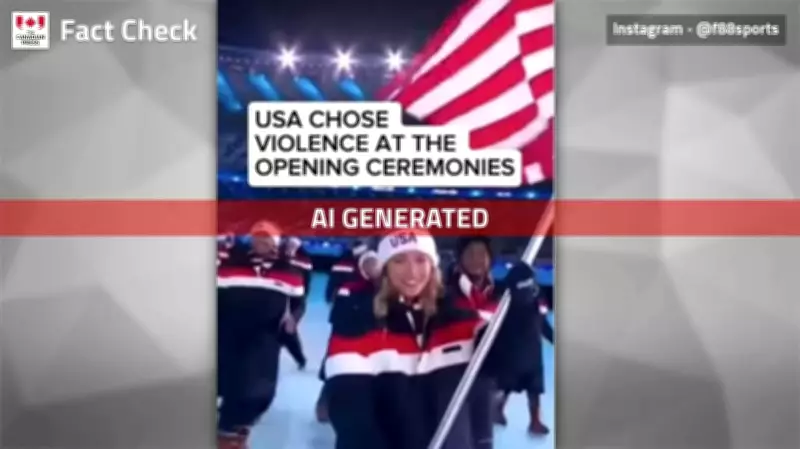
A viral video that spread across social media on Friday, February 9, 2026, falsely claimed that the United States Olympic team engaged in a deliberate act of trolling against Team Canada during the opening ceremony of the Milan Cortina Winter Olympics. The clip, which was posted to Instagram, purported to show American athletes walking out to a song by popular Canadian singer Tate McRae, implying a provocative gesture aimed at their northern rivals.
Fabricated Content Created with AI Technology
However, the video has been confirmed as entirely fabricated, generated using the advanced Sora AI platform. Upon closer inspection, the footage contains several glaring inaccuracies that expose its artificial nature. The uniforms worn by the supposed athletes do not match official Team USA attire, and the flags displayed are incorrect or improperly rendered. This incident highlights the growing challenge of distinguishing between real and AI-generated content in the digital age, particularly on fast-moving social media platforms where misinformation can spread rapidly before being debunked.
Context of Olympic Rivalries and National Pride
The false narrative tapped into the well-established and friendly rivalry between Canadian and American athletes, especially in winter sports where both nations traditionally excel. Tate McRae, as a rising Canadian music star, represents a point of national pride, making the alleged trolling scenario particularly provocative to some viewers. The rapid dissemination of this AI-generated content demonstrates how easily fabricated media can exploit existing cultural tensions and sporting narratives for engagement, regardless of factual accuracy.

Broader Implications for Media Verification
This incident serves as a cautionary tale about the importance of media literacy and verification in an era of sophisticated content creation tools. As AI technology becomes more accessible and capable of producing convincing fake videos, the responsibility falls on both platforms and users to critically evaluate sources before sharing. The Olympic Games, as a global event with significant emotional investment from fans worldwide, present a particularly attractive target for such misinformation campaigns seeking to generate clicks and controversy.
Authorities and fact-checking organizations continue to emphasize the need for vigilance when encountering sensational claims online, especially those involving high-profile events or figures. The Tate McRae Olympic trolling hoax underscores that not everything that appears authentic on social media reflects reality, even when it aligns with popular narratives or rivalries.