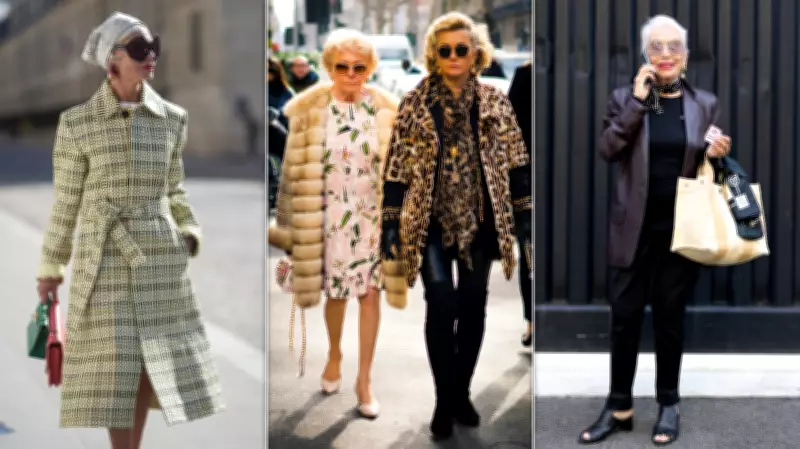
The Sciura Milanese: Milan's Iconic Lady of Elegance and Tradition
From the leisurely passeggiata to the refined art of aperitivo, numerous facets of Italian culture captivate imaginations worldwide. Among these, one particularly inspiring figure stands out: the sciura Milanese. This archetype is so recognizable that dedicated Instagram accounts document these iconic women of Milan, blending tradition with modern fascination.
What Is a Sciura Milanese?
Sciura originates from the Milanese dialect, simply meaning lady. Pronounced shoo-ra with a rounded u sound typical of the region, it traditionally served as a respectful address for married or mature women, especially those of social standing. People from Milan might use sciura to mean lady or as a title like Mrs. or Ms. before a surname.
Today, the term has evolved. Sciura Milanese now refers to an older woman, typically aged 60 or above, though it can include those in their 50s living in central Milan. She belongs to the upper middle class and boasts a classic, polished appearance. According to experts, this figure embodies a specific cultural identity tied to Milan's history and aesthetics.

Characteristics and Lifestyle
The sciura Milanese is elegant, well-groomed, and unmistakably Milanese in taste. She often wears timeless luxury pieces: structured handbags, significant jewelry, and tailored coats. Moving through the city with quiet confidence, she frequents historic cafés in the center, attends cultural events, and represents understated sophistication.
Luxury accessories like scarves are central to her look, symbolizing a visual identity and lifestyle deeply connected to Milan. She perfectly embodies quiet luxury, prioritizing personal style over fleeting trends. As described by insiders, her uniform includes a perfect blonde bob, a Max Mara camel coat, an Hermès foulard, and gold jewelry, sometimes accompanied by a small dog.
In many ways, the sciura serves as a visual symbol of continuity, reminding of tradition in a city constantly modernizing.
Historical Evolution of the Sciura
The word sciura has long circulated in Milanese speech as the local equivalent of signora. Historically, it referred to the wife of a sciur (gentleman), often linked to the city's professional or industrial class. The recognizable figure of the sciura Milanese took shape post-World War II, during Milan's rapid economic growth as a center of finance, publishing, and fashion.
Designer Elvira Leonardi Bouyeure, known as Biki, helped shape the polished 1950s aesthetic associated with the sciura. The 1980s marked a Golden Era, with Milan as a jet-setting playground of Europe, where sciure were fixtures at fashion shows and exclusive events.
In the 21st century, social media propelled the sciura into pop culture. Instagram accounts like @sciuraglam, with over 420,000 followers, have shifted the term from mockery to admiration, celebrating these women's style and grace.
Modern Perceptions and Meanings
Today, sciura Milanese evokes admiration for aging with grace and dignity. Many view them as style icons investing in high-quality, enduring pieces. However, the term can carry nuanced meanings depending on context. It might be used ironically or pejoratively to describe snobbery or conservatism, especially in phrases like Ué, sciura! which can mock entitlement.
Generational perspectives vary: older generations use it with affectionate irony, while younger people see it as embracing authenticity and dressing for oneself. Despite potential caricature, many reclaim the term to highlight individuality and elegance built over time.
Where to Spot a Sciura Milanese
To experience sciura culture, visit Milan's elegant districts. They are often seen in areas like Via Monte Napoleone (Montenapo), historic cafés such as Marchesi, or restaurants like Sant Ambroeus. Neighborhoods like Corso Vercelli, Porta Venezia, and Porta Romana offer glimpses into the real Milanese lifestyle, away from tourist hubs.

Local markets around Piazza San Marco provide opportunities to observe sciure in their natural habitat. For inspiration, social media accounts and Milan-based photographers capture their daily routines, from shopping to leisurely breakfasts.
Embracing the Sciura Aesthetic
You don't need to be wealthy or Milanese to adopt sciura elements. Embrace quality over quantity, such as shopping at vintage stores for timeless pieces. Focus on good tailoring, impeccable grooming, and accessories like silk scarves or sunglasses. This aesthetic encourages slowing down, prioritizing personal expression, and rejecting fast fashion in favor of longevity.
In a world of overconsumption, the sciura represents a countercultural ideal: building a wardrobe with patience and history, where each piece tells a story. She stands as a reminder to remain true to oneself, celebrating elegance that endures through time and change.