Ottawa Speakeasy Success: Small Size Brings Big Rewards and Hidden Costs
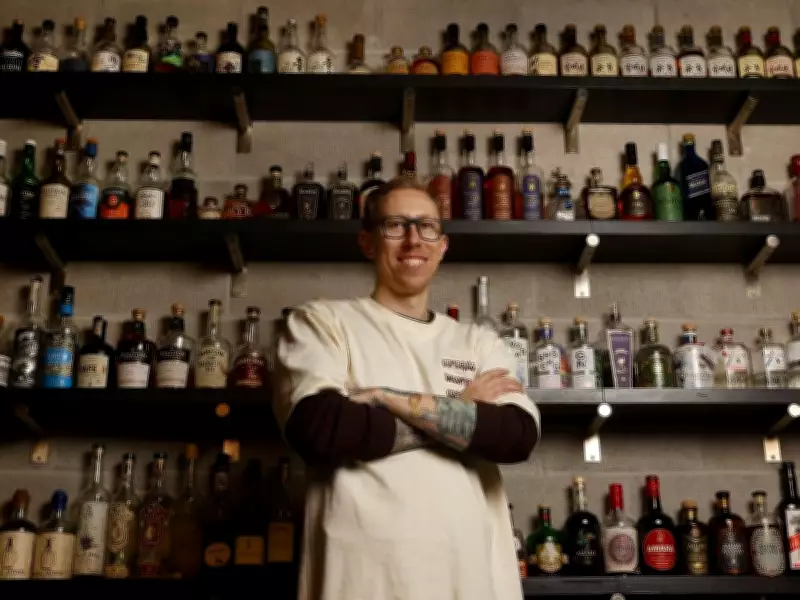
In Ottawa's government-focused landscape, where early mornings trump late nights, a surprising success story has emerged from the shadows. Stolen Goods Cocktail Bar, a tiny 20-seat speakeasy on Sparks Street, has defied expectations by thriving through intimate connections rather than flashy marketing. However, this success comes with significant personal costs that ultimately led owners to announce the bar's closure at the end of 2026.
The Unexpected Formula for Success
When co-owner Mike Campbell and his partners launched Stolen Goods four years ago, they anticipated attracting a niche clientele with innovative cocktails and small plates. What they didn't foresee was how the bar's modest size would become its greatest strength. Despite Ottawa's reputation as an early-to-bed city and Sparks Street's after-dark emptiness, the 700-square-foot establishment regularly serves 60 to 80 patrons nightly.
The secret lies in relationship-building, according to Campbell. "We found that the personal connection that happens when you're there every single day really helps create a sense of community and a business that is very self-sustaining," he explained. The bar has cultivated a diverse regular clientele ranging from Parliament Hill professionals to downtown hospitality workers.

The Speakeasy Appeal
Stolen Goods embodies the modern speakeasy aesthetic with several distinctive features:
- A nondescript location nestled among office buildings
- A front sign no larger than a loaf of bread
- An intimate atmosphere that encourages conversation
- Owner-operated service that ensures consistent quality
This approach proved remarkably effective, with Campbell noting the bar hasn't needed marketing efforts for three years. "We're lucky we don't have to push promotions or do things just to get people through the door," he said. "It's just about taking care of people once they're there, and then they come back."
The Hidden Costs of Intimacy
Despite the bar's financial success and loyal following, the owners recently announced Stolen Goods will close at the end of 2026. Unlike many Ottawa bar closures driven by financial struggles, this decision stems from the personal demands of running such an intimate establishment.
The original five-year business plan revealed unexpected realities. While the small-scale model works beautifully when owners can dedicate full attention, it becomes limiting for those wanting to expand or pursue new concepts. Campbell acknowledged that maintaining the personal touch requires immense time and energy investment.
"It's a great business model when you're able to do it full-time with all your efforts focused on it," Campbell explained. "But it doesn't help when you're wanting to expand and do other concepts. We found we would have to step back from being the full-time, day-to-day people to be able to create more things that we want to try."
Lessons for Ottawa's Hospitality Scene
The Stolen Goods experience offers valuable insights for Ottawa's evolving hospitality industry:
- Small spaces can foster stronger community connections than larger establishments
- Personalized service creates loyal customers more effectively than traditional marketing
- The post-pandemic return to social activities benefited intimate venues
- Sustainable business models require balancing personal investment with professional growth
As Campbell and his partners prepare to "go out on a high," their experience demonstrates that in Ottawa's particular context, sometimes staying small delivers the biggest impact—even when that success ultimately leads to new directions.