The Systematic Plunder of Ukraine's Cultural Identity
In the devastating conflict that has ravaged Ukraine, a less visible but equally profound tragedy is unfolding: the systematic looting of the nation's cultural heritage. According to Ukrainian officials and international observers, Russian forces have seized thousands of priceless cultural objects since the invasion began. These items range from ancient archaeological artifacts and religious icons to modern artworks and historical documents, representing the very soul of Ukrainian identity.
A Monumental Recovery Effort
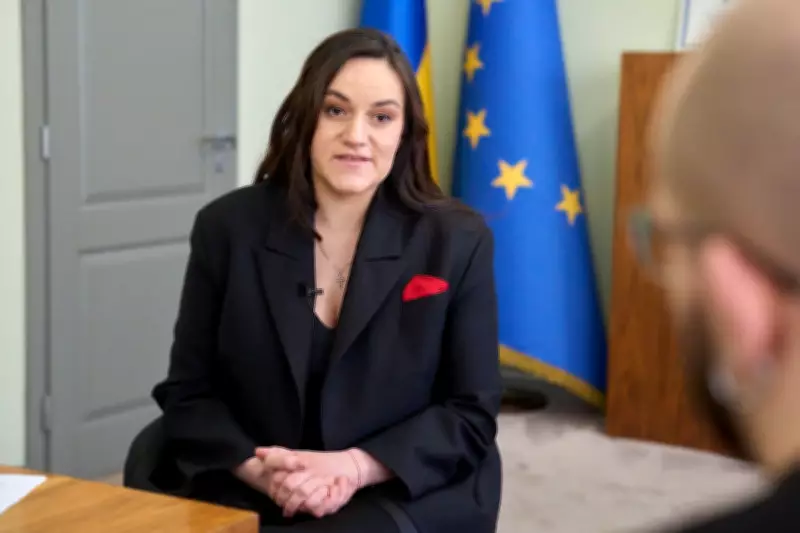
Ukraine's Culture Minister, Tetiana Berezhna, has been at the forefront of efforts to document and recover these stolen treasures. In a recent interview with The Associated Press in Kyiv, Minister Berezhna emphasized the scale and complexity of the challenge. "Each stolen item is a piece of our history, our memory," she stated. "Finding them is like searching for needles in a haystack while the haystack is still on fire." The recovery process is hampered by ongoing hostilities, lack of access to occupied territories, and the clandestine nature of the illicit art trade.
The Scope of the Loss
While an exact count remains elusive due to the chaos of war, estimates suggest that tens of thousands of cultural objects have been taken from museums, libraries, churches, and archaeological sites. Many of these items are not only of immense cultural value but also of significant financial worth, making them targets for illicit trafficking. The looting appears to be both opportunistic and organized, with reports indicating that Russian military units have been accompanied by specialists tasked with identifying and removing valuable artifacts.

The international community has condemned these actions as a violation of the 1954 Hague Convention for the Protection of Cultural Property in the Event of Armed Conflict. However, enforcing international law in a war zone is exceptionally difficult. Interpol and UNESCO have been alerted, and databases of stolen cultural property are being updated, but the porous borders and shadowy networks involved in art smuggling complicate recovery efforts. "We are working with global partners," Minister Berezhna noted, "but the process is slow, and every day that passes decreases the likelihood of recovery."
The Human and Cultural Toll
Beyond the material loss, the looting inflicts deep psychological wounds on the Ukrainian people. Cultural heritage serves as a foundation for national identity and resilience. Its destruction or theft is an attack on collective memory. As one Ukrainian historian lamented, "They are not just stealing objects; they are trying to erase our past to control our future." The recovery of these items is thus seen not only as a logistical mission but as a vital step in healing and preserving Ukraine's cultural continuity.