First Nations Leaders Unveil Sacred Items Repatriated from Vatican at History Museum
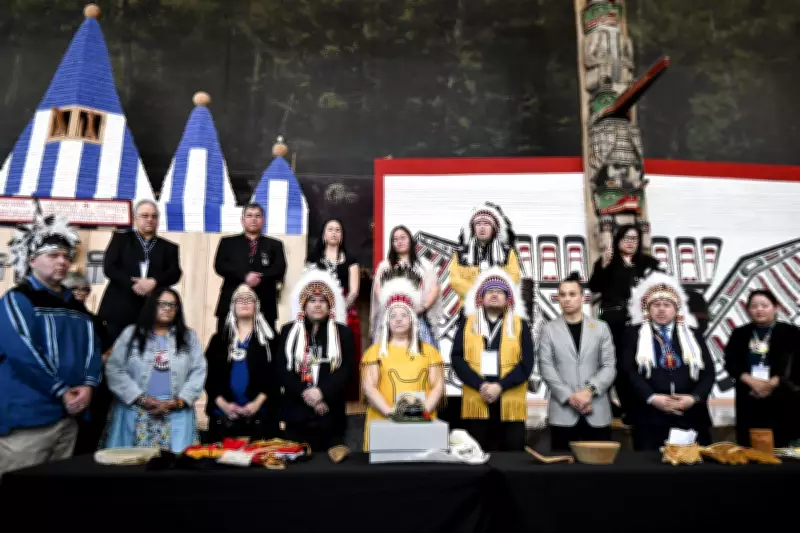
In a significant cultural and historical event, Assembly of First Nations Chief Cindy Woodhouse Nepinak presided over the unveiling of sacred artifacts that have been repatriated from the Vatican collection. The ceremony took place at the Canadian Museum of History in Gatineau, Quebec, on Tuesday, March 10, 2026, marking a pivotal moment in the ongoing efforts to return Indigenous cultural heritage to its rightful communities.
A Momentous Repatriation Ceremony
The event saw Chief Woodhouse Nepinak, surrounded by community members and dignitaries, as the sacred items were carefully revealed. These artifacts, which had been held in the Vatican's collections for decades, represent a crucial step in addressing historical injustices and fostering reconciliation between Indigenous peoples and institutions that have historically possessed their cultural property.
The repatriation process is part of a broader movement to return Indigenous artifacts and human remains held by museums and religious institutions worldwide. This particular return from the Vatican underscores the growing recognition of the importance of cultural sovereignty and the right of First Nations to control their own heritage.

Significance of the Returned Items
The sacred items unveiled include ceremonial objects, regalia, and other culturally significant artifacts that hold deep spiritual and historical value for the First Nations communities. Their return is not merely a physical transfer but a restoration of cultural continuity and identity.
This repatriation effort aligns with the Truth and Reconciliation Commission's calls to action, which emphasize the need for museums and archives to fully adopt and implement the United Nations Declaration on the Rights of Indigenous Peoples. The event at the Canadian Museum of History serves as a tangible example of these principles in action, highlighting the museum's role as a partner in this process rather than merely a repository.
Broader Implications for Indigenous Rights
The unveiling ceremony is expected to catalyze further repatriation initiatives across Canada and beyond. It demonstrates the potential for collaborative approaches between Indigenous leaders and institutions to address colonial legacies. Chief Woodhouse Nepinak's involvement underscores the leadership role that First Nations are taking in these efforts, ensuring that their voices and priorities guide the process.
Moreover, this event contributes to public education and awareness about Indigenous cultures and histories. By showcasing these sacred items in a museum setting, albeit temporarily, it provides an opportunity for all Canadians to learn about and respect the rich heritage of First Nations peoples.
Looking Ahead
As the sacred items are now back on Canadian soil, the next steps involve consultations with the respective First Nations communities to determine their final disposition. This may include long-term display in cultural centers, use in ceremonial practices, or other community-driven decisions that honor the artifacts' significance.
The successful repatriation from the Vatican sets a precedent for other institutions to follow, reinforcing the importance of ethical stewardship and the ongoing journey toward reconciliation in Canada.