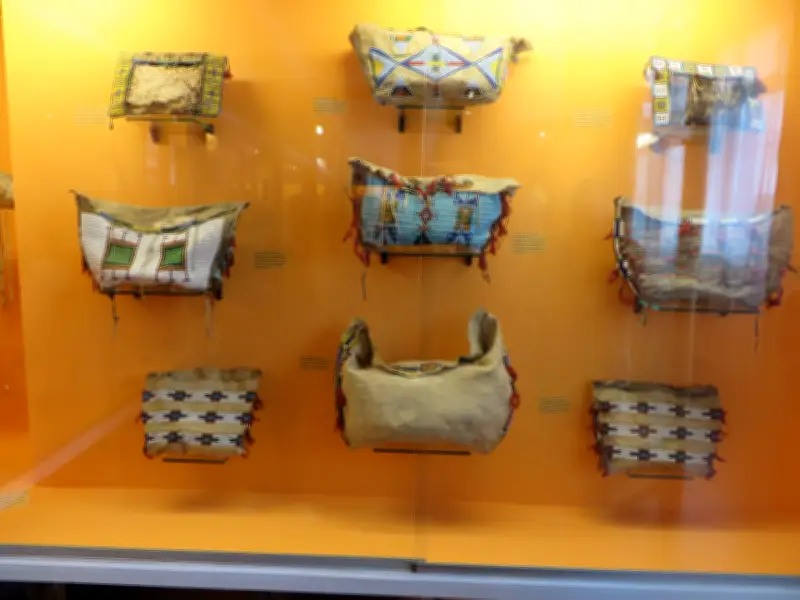
First Nations leaders in Canada are urgently working to prevent the sale of sacred Indigenous artifacts currently housed in a Swiss museum that is set to close. The collection, which includes items of deep cultural and spiritual significance, could soon be auctioned to private buyers if a repatriation agreement is not reached.
Museum closure triggers race to save artifacts
The museum in Switzerland, whose name has not been disclosed, is shutting down, putting its entire collection at risk of dispersal. Among the artifacts are items used in ceremonial practices, such as masks, rattles, and regalia, that hold immense value for several First Nations communities. “These are not just objects; they are living parts of our heritage,” said a First Nations leader involved in the negotiations. “If they end up in private hands, we may never see them again.”
The Canadian government has been contacted to assist in the repatriation efforts, but time is running short. The museum is expected to close its doors within weeks, and the artifacts could be sold to the highest bidder unless a deal is struck.

Historical context of artifact removal
Many Indigenous artifacts were taken from Canada during the colonial era, often without consent, and ended up in museums and private collections around the world. The Swiss museum’s collection is believed to have been acquired through such means, though the exact provenance is still being investigated. “These items were taken from our ancestors, and we have been trying to bring them home for decades,” said a representative of the Assembly of First Nations. “This closure is a crisis, but also an opportunity to reclaim what is rightfully ours.”
According to a 2023 report by the Canadian government, over 100,000 Indigenous cultural objects are held in foreign institutions, with fewer than 10% having been repatriated. The current situation in Switzerland highlights the ongoing challenges faced by Indigenous communities in recovering their heritage.
Efforts to secure the artifacts
First Nations leaders are working with the Canadian government and international partners to negotiate the purchase or donation of the artifacts before the auction. However, the cost could be prohibitive. “We are exploring every avenue, including private donors and cultural grants, but we need swift action,” said the leader. The Canadian Heritage Department has stated it is “aware of the situation and is providing support where possible,” but has not committed to funding the repatriation.
The urgency is compounded by the fact that private collectors often drive up prices at auction, making it harder for Indigenous groups to compete. In some cases, artifacts have been sold for millions of dollars, far beyond the budgets of most First Nations communities.
Broader implications for cultural heritage
The potential sale of these artifacts has sparked wider concern about the protection of Indigenous cultural heritage worldwide. “This is not just about one museum; it is about the systemic issue of how Indigenous artifacts are treated as commodities,” said a cultural heritage expert. “We need stronger international laws to prevent the sale of sacred items.”
In recent years, there have been successful repatriations, such as the return of totem poles from British museums to Canadian First Nations. However, these cases remain rare, and many artifacts remain overseas. The Swiss museum closure could set a precedent for how such collections are handled in the future.
The First Nations leaders are calling on the Canadian public to support their efforts, urging the government to take a more active role in repatriation. “This is a test of Canada’s commitment to reconciliation,” said the leader. “We cannot let these sacred items slip away.”