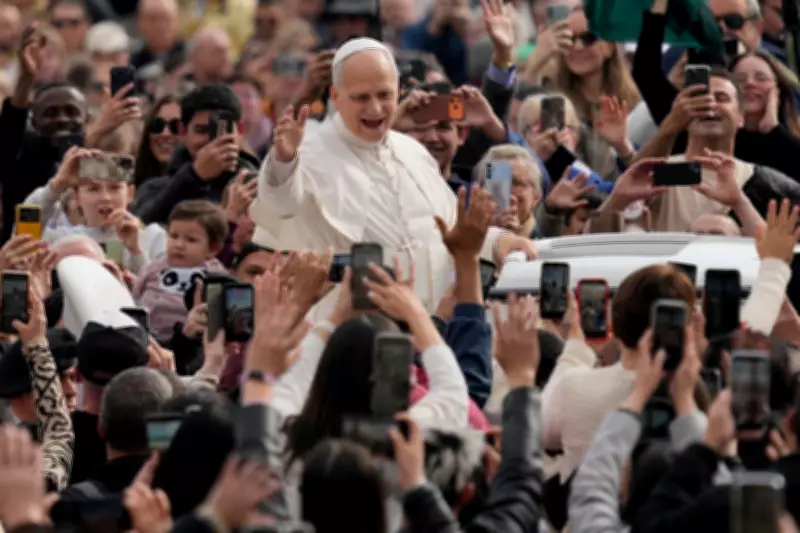
In a significant departure from the recent papal tradition, Pope Leo XIV has officially moved into the freshly renovated papal apartment within the Vatican's Apostolic Palace. This decision marks a clear break from the practice of his immediate predecessor, Pope Francis, who famously chose to reside in the simpler Vatican guesthouse, the Domus Sanctae Marthae, throughout his tenure.
A Return to Traditional Papal Quarters
The papal apartment, a suite of rooms located above St. Peter's Basilica, has undergone extensive renovations to modernize its facilities while preserving its historical and artistic integrity. The refurbishment project, which was completed earlier this year, included updates to the electrical systems, plumbing, and security infrastructure, ensuring the residence meets contemporary standards of comfort and safety.
Pope Leo XIV, who was elected in 2025, has expressed a desire to utilize the traditional papal living quarters as a symbol of continuity and as a functional space for conducting official duties and receiving visitors. Vatican officials have noted that the move aligns with the new pontiff's vision of balancing tradition with the practical needs of modern governance.

Contrasting Approaches to Papal Residence
Pope Francis's choice to live in the Domus Sanctae Marthae was widely interpreted as a gesture of humility and a move towards a more communal, less isolated lifestyle. He often emphasized simplicity and proximity to others, including Vatican staff and visitors. In contrast, Pope Leo XIV's decision to inhabit the papal apartment reflects a different administrative and symbolic approach, potentially signaling a shift in style and emphasis within the Holy See's daily operations.
The apartment itself is not merely a private residence but serves as a venue for official meetings, private audiences, and papal ceremonies. Its location offers direct access to the Vatican's administrative offices and the basilica, providing logistical advantages for the pontiff's schedule.
Reactions and Implications
The move has garnered attention from Vatican observers and the global Catholic community. Some see it as a return to established norms, while others view it as a nuanced statement about papal identity and governance. The renovation of the apartment, undertaken with careful attention to its artistic heritage, also underscores the Vatican's commitment to maintaining its historic properties.
As Pope Leo XIV settles into his new home, it remains to be seen how this change in residence will influence his papacy's public perception and operational dynamics. The decision highlights the personal choices that shape the pontiff's daily life and the symbolic weight carried by the spaces they inhabit.