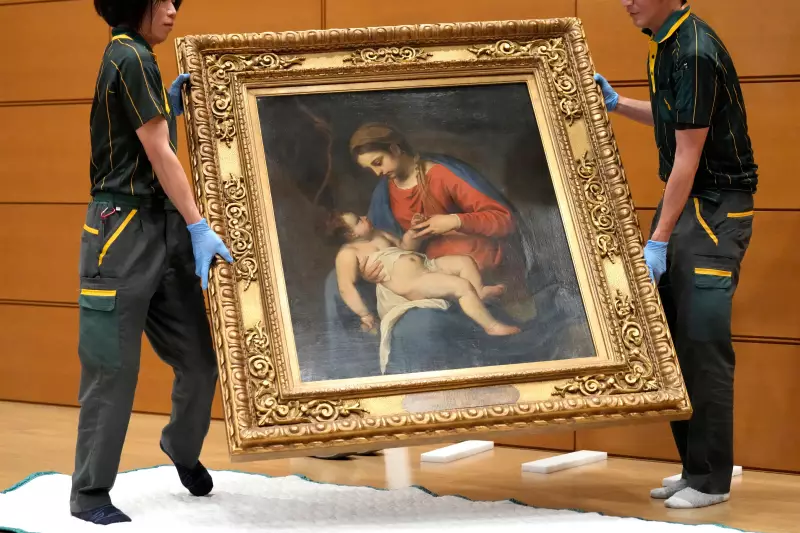
Germany has taken a significant step in addressing one of the darkest chapters of its history by establishing a new, specialized tribunal dedicated to resolving cases of art looted by the Nazi regime. The court, launched in December 2025, is designed to handle the complex and often emotionally charged claims for restitution from heirs of the original owners.
A Dedicated Court for Historical Justice
The creation of this tribunal underscores the ongoing global effort to rectify the systematic plunder of cultural property that occurred during World War II. The Nazis confiscated hundreds of thousands of artworks, books, and other cultural items from Jewish families, museums, and private collectors across Europe. For decades, heirs have navigated a challenging and fragmented legal landscape to reclaim their family heritage.
The new German court aims to centralize and streamline this process, offering a dedicated legal pathway for these unique historical claims. It is expected to handle cases where artworks, now potentially held by museums, galleries, or private individuals in Germany, are identified as having been stolen between 1933 and 1945.

The Challenge of Provenance and Restitution
Proving the provenance, or ownership history, of a piece of art is often the greatest hurdle in restitution cases. Documentation may have been lost or destroyed during the war, and artworks may have changed hands multiple times over the ensuing decades. The tribunal will be tasked with weighing historical evidence, expert testimonies on provenance research, and legal arguments to reach judgments.
This initiative follows high-profile cases that have highlighted the need for a more structured approach. It reflects a continued acknowledgment of Germany's responsibility to provide a measure of justice, even generations later. The court's rulings could mandate the return of artworks to rightful heirs or negotiate other forms of settlement.
Global Implications and the Path Forward
The establishment of the tribunal is being watched closely by the international art world, legal communities, and Jewish heritage organizations. It signals a move towards institutionalizing the restitution process rather than leaving it to ad-hoc negotiations or lengthy civil court battles.
While the court is a German national body, its work has international ramifications, as looted art from occupied nations like Poland, France, the Netherlands, and others often ended up in German collections. Successful claims may lead to artworks being returned to families now living around the world.
The launch of this dedicated tribunal marks a pivotal moment in the long and painful journey to address the cultural theft of the Holocaust. It represents a formal commitment to confronting historical injustice through the rule of law, offering a beacon of hope for families seeking to reclaim a tangible piece of their history and identity.