Lunar New Year Prayers and Festivities Usher in the Year of the Horse
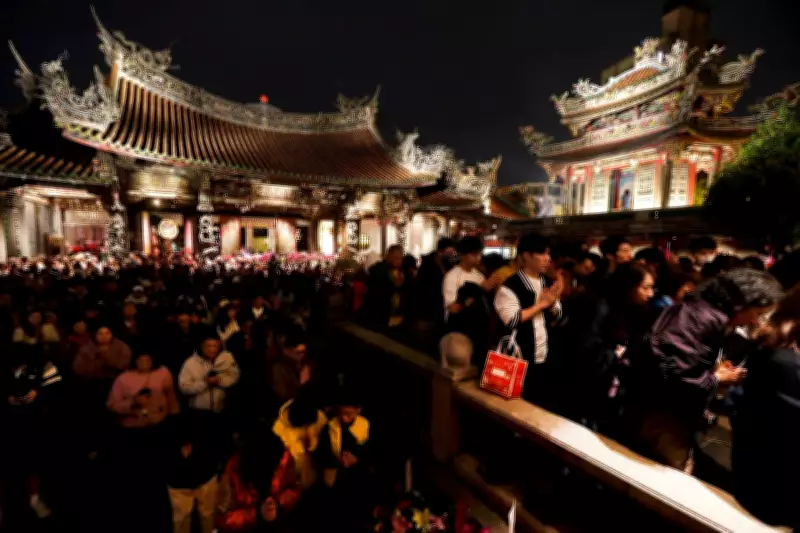
As the Lunar New Year dawned, worshippers in Taipei, Taiwan, gathered at the historic Longshan temple early on Tuesday, February 17, 2026, to offer prayers and celebrate the arrival of the Year of the Horse. This annual event marks a significant cultural moment, with communities across Asia and beyond engaging in traditional rituals to welcome prosperity and good fortune.
Traditional Celebrations in Taipei
At Longshan temple, a key site for Lunar New Year observances, devotees participated in early morning prayers, lighting incense and making offerings to deities. The atmosphere was filled with reverence and joy, as families and individuals sought blessings for health, wealth, and happiness in the coming year. The temple, adorned with festive decorations, served as a focal point for these spiritual activities, highlighting the deep-rooted traditions associated with the Lunar New Year.
Significance of the Year of the Horse
The Year of the Horse, according to the Chinese zodiac, symbolizes energy, strength, and perseverance. In many cultures, it is believed to bring opportunities for success and adventure. During the celebrations, participants often engage in customs such as exchanging red envelopes, sharing festive meals, and performing lion dances to ward off evil spirits and attract positive energy.

Global Observances and Cultural Impact
Beyond Taipei, Lunar New Year festivities are celebrated worldwide, with parades, fireworks, and family gatherings. This event not only reinforces cultural heritage but also fosters community bonds and cross-cultural understanding. As people embrace the new lunar cycle, the emphasis on renewal and hope resonates across diverse populations, making it a universally cherished occasion.
In summary, the Lunar New Year celebrations in Taipei exemplify the vibrant traditions that accompany the transition into the Year of the Horse, blending spiritual devotion with communal joy.