Federal Judge Enforces Friday Deadline for Slavery Exhibit Restoration in Philadelphia
A U.S. judge has upheld a strict Friday deadline for the restoration of a slavery exhibit at the President's House Site on Independence Mall in Philadelphia, marking a significant victory for historical preservation advocates. The ruling comes after prolonged legal and community efforts to ensure the exhibit's reinstatement, which highlights the complex history of slavery in early America.
Legal and Community Advocacy Leads to Victory
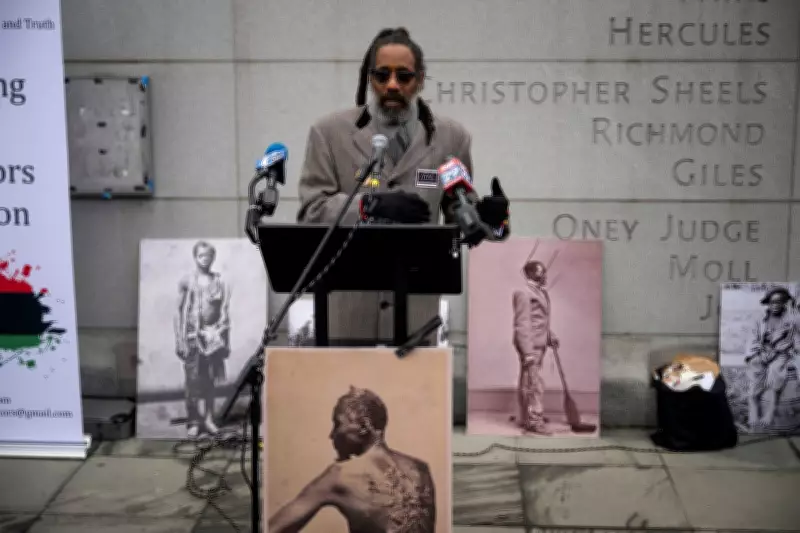
Attorney Michael Coard, founder of the Avenging the Ancestors Coalition, played a pivotal role in the campaign to restore the exhibit. During a rally on Thursday, February 19, 2026, Coard celebrated the reinstallation, emphasizing its importance for educating the public about the nation's past. The exhibit, located at a site once occupied by Presidents George Washington and John Adams, addresses the enslaved individuals who lived and worked there, shedding light on often-overlooked aspects of U.S. history.
The judge's decision reinforces the legal mandate to preserve such historical narratives, particularly in public spaces like Independence Mall, which is a symbol of American freedom. This ruling follows previous delays and disputes over the exhibit's maintenance, with advocates arguing that its removal or neglect undermines efforts to confront systemic racism and promote inclusive historical education.

Implications for Historical Preservation and Public Awareness
The restoration of the slavery exhibit is expected to enhance visitor experiences at the President's House Site, providing a more comprehensive understanding of the early presidential era. Experts note that such exhibits are crucial for fostering dialogue about slavery's legacy and its ongoing impact on contemporary society. By upholding the deadline, the court has signaled a commitment to accountability in historical representation, potentially setting a precedent for similar cases nationwide.
Community members and historians have welcomed the ruling, viewing it as a step toward rectifying historical omissions. The exhibit's reinstallation aligns with broader movements to incorporate diverse perspectives into public history, ensuring that marginalized stories are not erased. As the Friday deadline approaches, officials are working to complete the restoration, with plans for ongoing educational programs to accompany the exhibit.
This development underscores the intersection of law, history, and social justice, highlighting how legal frameworks can support cultural preservation. The case also reflects growing public demand for transparent and inclusive historical narratives, particularly in politically charged environments like Philadelphia's Independence Mall.