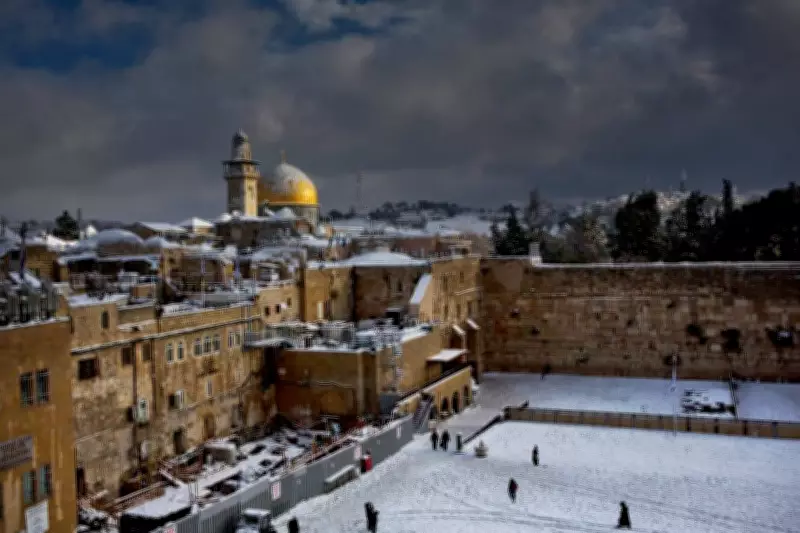
Israel Permits 100 Worshippers at Western Wall Amid Ongoing Tensions
Israeli authorities have implemented a new regulation permitting a maximum of 100 worshippers to gather at the Western Wall, one of the most sacred sites in Judaism. This decision comes as part of ongoing efforts to balance religious practices with security concerns in the region.
Background on the Western Wall
The Western Wall, also known as the Wailing Wall, is a significant religious site located in Jerusalem's Old City. It is the last remaining structure of the Second Temple, which was destroyed in 70 CE, and serves as a focal point for Jewish prayer and pilgrimage. The site holds immense historical and spiritual importance for Jews worldwide, often drawing large crowds for religious observances and ceremonies.
Details of the New Policy
Under the new policy, Israeli officials have set a cap of 100 individuals allowed to worship at the Western Wall at any given time. This measure is designed to manage crowd sizes and enhance security protocols in the area. The decision reflects ongoing adjustments to public gatherings in sensitive locations, particularly in light of regional tensions and historical conflicts over holy sites.

Security considerations play a crucial role in this policy, as the Western Wall is situated near other religious landmarks, including the Dome of the Rock, which is sacred to Muslims. The proximity of these sites has often led to disputes and requires careful coordination to prevent incidents.
Implications for Religious Practices
This limitation may impact traditional gatherings, especially during major Jewish holidays when larger numbers of worshippers typically visit the site. However, authorities emphasize that the policy aims to ensure safety while still allowing access for religious observance. Similar restrictions have been implemented in the past during periods of heightened security alerts.
The Western Wall has been a symbol of resilience and faith for centuries, with its stones bearing witness to countless prayers and historical events. Managing access to such a revered location involves balancing spiritual needs with practical security measures.
Regional Context
The decision occurs against a backdrop of ongoing tensions in the Middle East, where control over holy sites often sparks international debate. Israel's management of religious locations in Jerusalem remains a contentious issue, with various stakeholders advocating for different approaches to access and preservation.
This policy update is part of broader efforts by Israeli authorities to regulate public spaces in Jerusalem, ensuring that religious sites can be visited safely while maintaining order in a complex geopolitical environment.