Caroline Bassoon-Zaltman was just five years old when the world she knew in Iraq began to vanish. As she recounts in a powerful commentary for the National Post, the creation of the State of Israel in 1948, a beacon of hope for many, triggered a wave of violent retaliation against Jewish communities across the Middle East and North Africa. Her family, along with hundreds of thousands of others, found themselves trapped, stripped of rights, and targeted as enemies in lands they had inhabited for millennia.
The Trauma of Erasure and Escalating Persecution
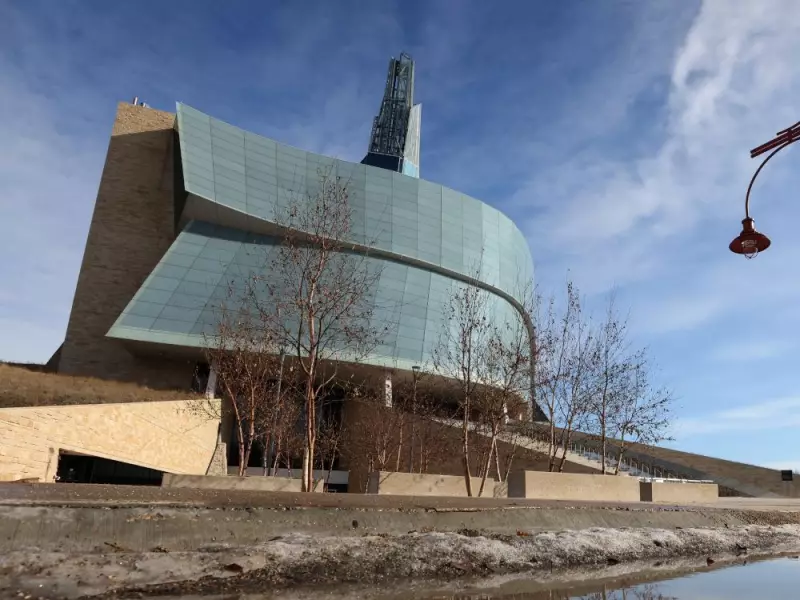
For Bassoon-Zaltman, the recent controversy surrounding the 'Nakba' exhibit at the Canadian Museum for Human Rights in Winnipeg has painfully reawakened this childhood trauma. She argues that when a national institution presents a narrative that overlooks the stories of Jews violently uprooted from Arab countries, it engages in a dangerous form of historical erasure. "Erasure is always the first step," she writes, drawing a direct line from her past to present concerns.
Her memories of Iraq are not abstract historical facts but visceral experiences of a collapsing world. The persecution began with insidious measures: a severed phone line, her father fired from his job for being Jewish. It then escalated into a climate of terror where false accusations could lead to torture or public execution. She recalls the horrific fate of her father's friend, falsely accused of espionage and hanged before a cheering mob.

Life became a series of impossible restrictions designed to dehumanize and impoverish:
- Jews were barred from selling property or accessing their bank accounts.
- Movement was restricted to within 10 kilometres of home.
- Secret police interrogations were a constant threat.
- Family members, like her uncles, were arrested and tortured.
"Each morning, I woke up unsure of what the day might bring," she describes. "That is what it is to live under a cloud of hatred, watching it spread because no one chooses to confront it."
Echoes of the Past in Modern Canada
Bassoon-Zaltman now sees alarming parallels in her adopted home of Canada. The fear she felt in Baghdad is being rekindled by events in Toronto and on university campuses. She cites mobs protesting outside synagogues and daycares, the harassment of Jewish students, and physical attacks in public spaces. She expresses profound concern over what she perceives as the failure of governments and institutions to adequately protect Jewish citizens from this rising tide of harassment and radicalized rhetoric.
Her warning is stark: presenting a one-sided historical narrative, such as an exhibit on the Palestinian Nakba ("catastrophe") without acknowledging the concurrent displacement of nearly 850,000 Jews from Arab lands, does not promote human rights. Instead, she contends it fuels modern antisemitism by simplifying a complex history and invalidating the lived experience of an entire community. For survivors like her, this omission is not merely academic; it feels like a repetition of the silencing and scapegoating that forced her family to flee.
A Plea for Inclusive Remembrance
The core of Bassoon-Zaltman's argument is a plea for a more complete and honest remembrance. She does not seek to negate Palestinian suffering but insists that the Jewish narrative of expulsion and loss must also have a place, especially in a national museum dedicated to human rights. To do otherwise, she believes, is to allow the same toxic ideologies that devastated Middle Eastern Jewish life to gain a foothold in Canada. Her personal history stands as a testament to where such hatred, when left unchallenged, can ultimately lead.