In Iranian culture, the arrival of spring heralds the beginning of a new year, marked by the ancient festival of Nowruz. This year, Iranian-Canadians are celebrating this tradition under the shadow of ongoing conflict and political unrest in Iran, blending centuries-old customs with a profound sense of defiance.
A Political Nowruz in Modern Times
Kara Abdolmaleki, a PhD graduate from the University of Alberta, emphasizes that celebrating Nowruz in 2026 is far more than a habitual observance. "It is an act of defiance. It is an act of resistance," he states. "This is probably the most political Nowruz we have experienced in the modern history of Iran." Originally from Sanandaj in Iran's Kurdish Province, Abdolmaleki moved to Canada in 2010 after completing his master's degree at the University of Tehran, where he was actively involved in political movements.
His activism during the Green Movement of 2009-2010 and work for reformist candidate Mir-Houssain Mousavi's campaign exposed him to significant hardships. In 2021, he returned to Iran for ten months to care for his ailing mother, coinciding with the start of the Women, Life, Freedom movement in September 2022, sparked by Mahsa Amini's death in custody. Now residing in Vancouver, Abdolmaleki faces Nowruz during a period of immense struggle for Iranians, vowing to celebrate with even greater intensity.

Ancient Traditions Enduring Through Time
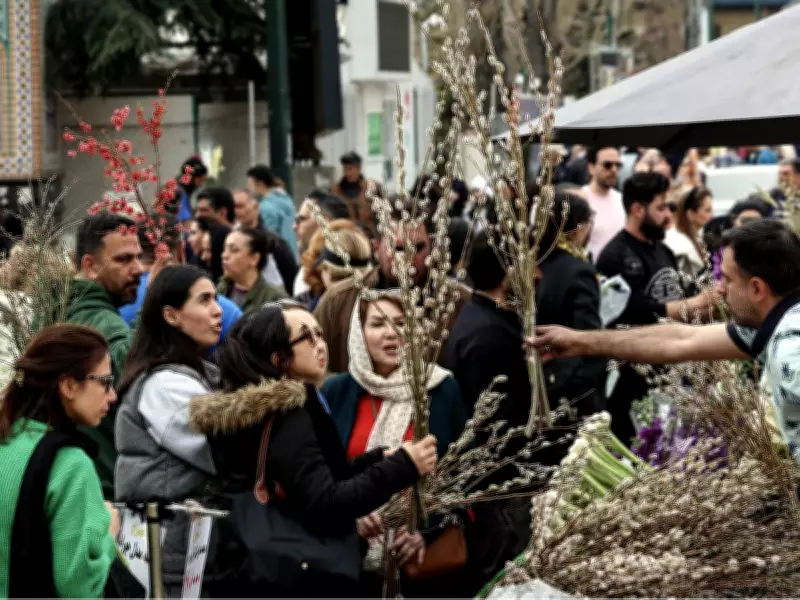
Nowruz, with origins dating back at least 3,000 years, has persisted through conquests by Arabic, Turkish, and Mongol forces, as well as the region's Islamization. The festival typically spans thirteen days, symbolizing growth, renewal, and a deep appreciation for nature. Common customs include spring cleaning, purchasing new attire for the new year, and adorning homes with vibrant flowers.
Zohreh ByatRizi, a Sociology professor at the University of Alberta, recalls cherished childhood memories of Nowruz. "On the first day, we would wear our new clothes and visit our grandparents' houses," she shares. "We would proceed to older uncles' homes, visiting each family member by age. They would give us children money, which was absolutely wonderful." These traditions foster family bonds and cultural continuity, even amidst adversity.
Balancing Heritage and Hardship
For many Iranian-Canadians, Nowruz serves as a poignant reminder of their dual identity—physically present in Canada while emotionally connected to Iran. The celebrations this year are infused with a mix of joy for cultural heritage and sorrow over the ongoing conflicts affecting their homeland. This dynamic highlights the resilience of a community determined to preserve its traditions while advocating for change.
As families gather for feasts and rituals like Foozooli, the spirit of Nowruz transcends mere festivity, becoming a symbol of endurance and hope. In the face of political challenges, Iranian-Canadians are redefining what it means to celebrate, turning ancient customs into powerful statements of identity and resistance.