Inuit Throat Singing Revival: Preserving Ancient Tradition in Nunavik
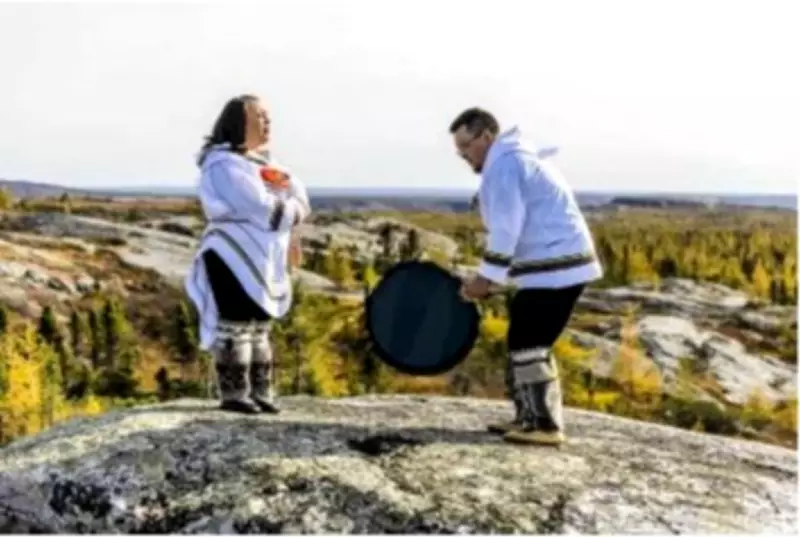
In the remote Inuit community of Kuujjuaq in northern Quebec, Janice Parsons and Sandy Emudluk stand face-to-face, arms locked, as they prepare to perform. Their art form—katajjaq, known in English as Inuit throat singing—represents far more than musical entertainment. This mesmerizing vocal competition, rooted in centuries of tradition, mimics the sounds of Arctic animals and natural landscapes through rhythmic guttural exchanges.
A Tradition Once Suppressed
Music serves as a living expression of culture, yet there was a time when throat singing faced severe restrictions in Canada. During the early 20th century, Christian missionaries often viewed the hypnotic sounds as pagan or even satanic. The Indian Act further criminalized Indigenous cultural practices, including traditional clothing, ceremonies, songs, and dances. This systematic program of forced cultural assimilation nearly extinguished throat singing, pushing it toward obscurity for decades.
The 1980s marked a turning point as Elders began openly sharing the tradition with younger generations. Parsons first learned throat singing at age seven through the Kuujjuaq Youth Group, which brings community children together to learn traditional songs, drumming, and vocal techniques. This youth group maintains the longstanding honor of opening the annual Aqpik Jam Music Festival, Nunavik's largest musical event.

The Duo's Journey
Throughout her childhood and adolescence, Parsons participated actively in the youth group, continuing to refine her skills into adulthood. She often practiced alone while performing household chores, but throat singing inherently requires a partner. Emudluk surprised her one day by joining in on The Poor Little Puppy Song. Although traditionally a women's activity, Emudluk quickly mastered the technique, and the pair have now practiced together for approximately nine years.
"I don't look him in the eyes when we're performing, because I tend to smile or laugh," Parsons admits. Since she loves to laugh, Emudluk typically wins their vocal competitions by maintaining rhythm longer without breaking composure.
Global Performances and Local Impact
Parsons and Emudluk have shared Inuit culture internationally, performing in Belgium, Norway, Greenland, Germany, and other locations. However, one of their most profound experiences occurred in Kamloops, British Columbia, near the former Kamloops Indian Residential School.
"Standing so close to that place, I couldn't stop thinking about the lives that were lost and the stories that were never told," Parsons explains. "I poured my whole heart into that performance—not just to sing, but to honor them, to remember them, and to carry their presence in that moment. It was one of the most powerful and meaningful experiences I've ever had."
Passing the Tradition Forward
While international travel has been rewarding, the duo finds greatest fulfillment in mentoring the next generation. For the past five years, Parsons and Emudluk have led the Kuujjuaq Youth Group, teaching throat singing, traditional songs, and drumming to Inuit children and youth.
"The two of us were honored to take on this sacred trust to help support the youth group," Parsons said. "I love everything about it. The youth are so courageous. They want to learn something from our ancestors."
Through their dedication, this ancient art form—once nearly erased by colonial policies—now thrives again, connecting past and present while inspiring future generations to embrace their cultural heritage.