Saskatchewan Indigenous Storytelling Month Cultivates Kinship and Healing Across Communities
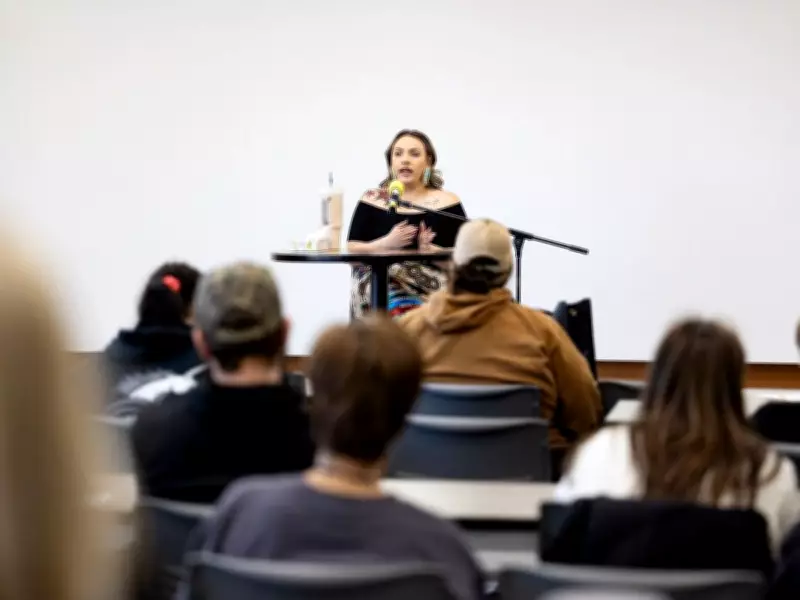
Indigenous educator Jasmyn Albert approaches her storytelling sessions with spiritual preparation rather than rigid planning. Before engaging with students at Saskatchewan Polytechnic in Saskatoon, she performs traditional practices including tobacco offerings and smudging, asking for guidance to share stories that meet her listeners' needs.
Preserving Oral Traditions Through Contemporary Programming
Albert, who identifies with Plains Cree, Métis, and settler ancestry, explores themes of kinship and healing as part of Saskatchewan's Indigenous Storytelling Month programming. This province-wide initiative, now in its 23rd year, originated through Library Services for Saskatchewan Aboriginal Peoples and represents a significant cultural preservation effort.
"I grew up urban, but I also grew up with that connection to land," Albert explained during a recent session. "My kokum made sure that we had a really good understanding of our role within our family and our role within the connection to Mother Earth and also our role as nieces and nephews and grandchildren and moms and daughters and sons."

Expanding Reach Across Saskatchewan Communities
Project coordinator Jessica Generoux reports that this year's programming features 67 storytellers engaging with more than 95 communities across Saskatchewan. Organizers anticipate reaching over 12,000 participants, with many sessions taking place in rural and underserved areas where cultural programming may be limited.
"The youth are really bringing us forward in this intergenerational healing process," Generoux noted, highlighting a recent influx of younger storytellers who are creating conversations about healing and using Indigenous world views to navigate contemporary challenges including climate anxiety.
Aligning with Truth and Reconciliation Efforts
The storytelling month programming reflects ongoing efforts to reform library spaces in response to the Truth and Reconciliation Commission of Canada's calls to action. By preserving the custom of oral storytelling in both traditional and contemporary forms, the initiative supports cultural continuity while addressing historical trauma.
Generoux emphasized that this year's goal continues to focus on maintaining oral traditions while adapting to modern contexts, creating spaces where Indigenous knowledge systems can flourish alongside Western educational frameworks.
Democratizing Storytelling Practices
Albert, who began storytelling at age 15, encourages broader participation regardless of educational background or social status. "We all have stories," she asserted in an interview following her session. "We all have life experience stories, and then some of us might have traditional stories, and they're all of value. We all have a story that can be told."
The educator stressed that storytelling skills develop through practice, and that the act of sharing narratives itself becomes part of the healing process for both tellers and listeners.
Building Intergenerational Connections
Throughout her sessions, Albert shares stories about receiving kinship teachings from her grandmother, Mary Lee, and about carrying forward those systems as an adult. These narratives create bridges between generations, allowing traditional knowledge to flow to younger community members while honoring elders' wisdom.
The storytelling month initiative demonstrates how cultural practices can adapt to urban environments while maintaining their essential character, providing urban Indigenous youth with connections to heritage they might otherwise lack.
As Saskatchewan's Indigenous Storytelling Month continues to grow, it represents not just cultural preservation but active cultural revitalization—creating spaces where healing, learning, and community building intersect through the timeless power of shared narrative.