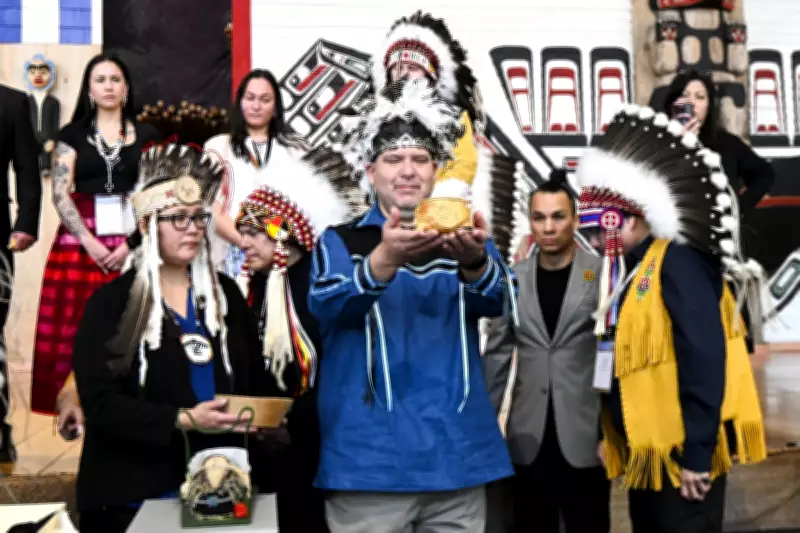
Vatican's Returned Indigenous Artifacts Face Years-Long Tracing Process
The recent repatriation of Indigenous artifacts from the Vatican collection to Canada represents a significant step toward reconciliation, but the journey to fully understand these items is only beginning. Experts caution that tracing the precise origins, histories, and cultural contexts of these returned objects could span several years, involving painstaking research and deep collaboration with Indigenous communities.
A Historic Unveiling in Gatineau
On March 10, 2026, Grand Chief Leonard Lazore presided over an unveiling event at the Canadian Museum of History in Gatineau, Quebec, where a birch sap collector was among the artifacts formally returned from the Vatican. This moment symbolized a growing global movement to restore cultural items to their rightful communities, yet it also highlighted the complexities inherent in such repatriations.
The process of tracing these artifacts is not merely a bureaucratic task; it is an emotional and spiritual endeavor that requires sensitivity to Indigenous knowledge systems. Each item carries stories, traditions, and connections that may have been obscured or lost over time, necessitating careful archival work and oral history interviews.

Challenges in Documentation and Provenance
One of the primary hurdles in tracing the artifacts is the often incomplete or inaccurate documentation from historical records. Many items were collected decades or even centuries ago, with limited information about their acquisition, original owners, or cultural significance. This gap in provenance means that researchers must:
- Cross-reference Vatican archives with Indigenous community records
- Engage elders and knowledge keepers to identify materials and craftsmanship
- Utilize modern technologies like digital imaging and material analysis
- Navigate ethical considerations around sacred or ceremonial objects
The tracing effort is further complicated by the diverse nature of the artifacts, which may include tools, clothing, artworks, and ceremonial items from various Indigenous nations across Canada. Each piece requires a tailored approach, respecting specific cultural protocols and community wishes.
Community-Led Research and Long-Term Implications
Indigenous leaders emphasize that the tracing process must be community-led to ensure accuracy and cultural appropriateness. This collaborative model not only aids in identifying artifacts but also helps rebuild cultural knowledge and intergenerational connections that were disrupted by colonization.
As the work progresses, the findings could have broader implications for museums, governments, and international institutions handling Indigenous cultural property. The lessons learned from this Vatican repatriation may inform future policies and practices, promoting more respectful and equitable approaches to cultural heritage management.
While the timeline for completing the tracing remains uncertain, the commitment to this meticulous work underscores a shared dedication to truth, healing, and the preservation of Indigenous cultures for generations to come.