Shigeaki Mori, Hiroshima Atomic Bomb Survivor and Historian Embraced by Obama, Dies at 88
Shigeaki Mori, a revered atomic bomb survivor and historian from Hiroshima, Japan, has passed away at the age of 88. Mori gained global attention in 2016 when he was warmly embraced by former U.S. President Barack Obama during a historic ceremony at the Hiroshima Peace Memorial Park. His life's work centered on documenting the tragic events of World War II and honoring the memories of those lost, particularly American prisoners of war killed in the atomic bombing.
A Life Dedicated to Peace and Remembrance
Born in Hiroshima, Mori experienced the devastating atomic bombing on August 6, 1945, as a young child. This profound event shaped his lifelong commitment to peace education and historical preservation. He dedicated decades to meticulous research, uncovering the stories of American POWs who perished in the attack. His efforts led to the creation of a memorial specifically honoring these individuals, bridging gaps between former adversaries through shared grief and reconciliation.
Mori's work emphasized the human cost of war, transcending national boundaries to foster understanding. He often spoke about the importance of remembering all victims, regardless of nationality, and his research provided crucial insights into a lesser-known aspect of the Hiroshima tragedy. His historical accounts have been cited in academic papers and peace studies, contributing to a more nuanced global perspective on the war's aftermath.

The Iconic Moment with Barack Obama
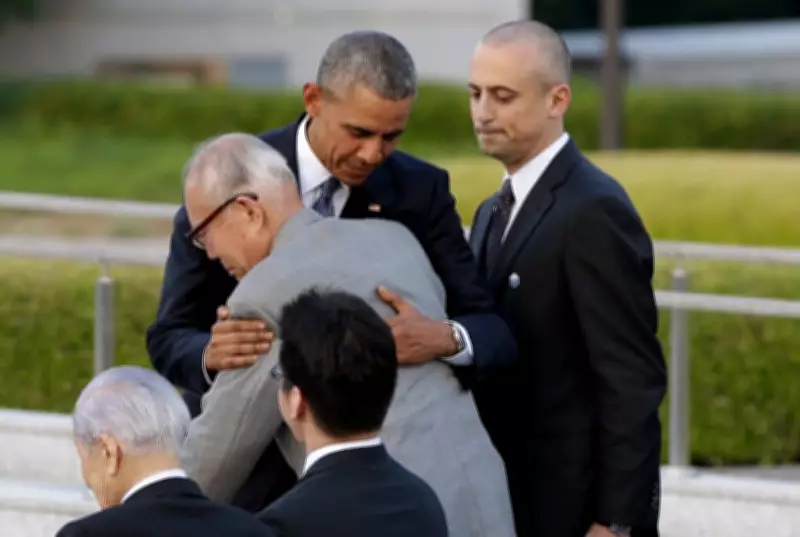
In May 2016, during a visit to Hiroshima, President Barack Obama made history as the first sitting U.S. president to tour the peace memorial. The emotional highlight of the ceremony occurred when Obama embraced Mori, who was present as a survivor and historian. This poignant gesture, captured in photographs that circulated worldwide, symbolized a moment of healing and acknowledgment between nations once locked in conflict.
The embrace was not merely a personal interaction but a powerful diplomatic statement, reflecting a shared commitment to nuclear disarmament and peace. Mori later described the moment as deeply moving, noting that it represented a step toward mutual respect and remembrance. The event underscored his role as a bridge between Japan and the United States, using his personal history to promote dialogue and forgiveness.
Legacy and Impact
Mori's passing marks the loss of a key witness to one of history's most catastrophic events. His contributions extend beyond his memorial work; he was an active educator, frequently giving lectures and interviews to ensure that future generations understand the horrors of nuclear warfare. His legacy is preserved in the memorial he helped establish, as well as in the countless lives he touched through his advocacy for peace.
As the number of surviving atomic bomb witnesses dwindles, Mori's death highlights the urgency of preserving their testimonies. Historians and peace activists worldwide have praised his dedication, noting that his efforts have enriched global historical records and inspired ongoing initiatives for nuclear non-proliferation. His life serves as a testament to resilience and the enduring pursuit of harmony in a world still grappling with the shadows of war.
Mori is survived by family and a community of admirers who continue his mission. His story reminds us of the profound impact that individual actions can have on collective memory and international relations, urging a continued focus on peacebuilding in an increasingly complex global landscape.