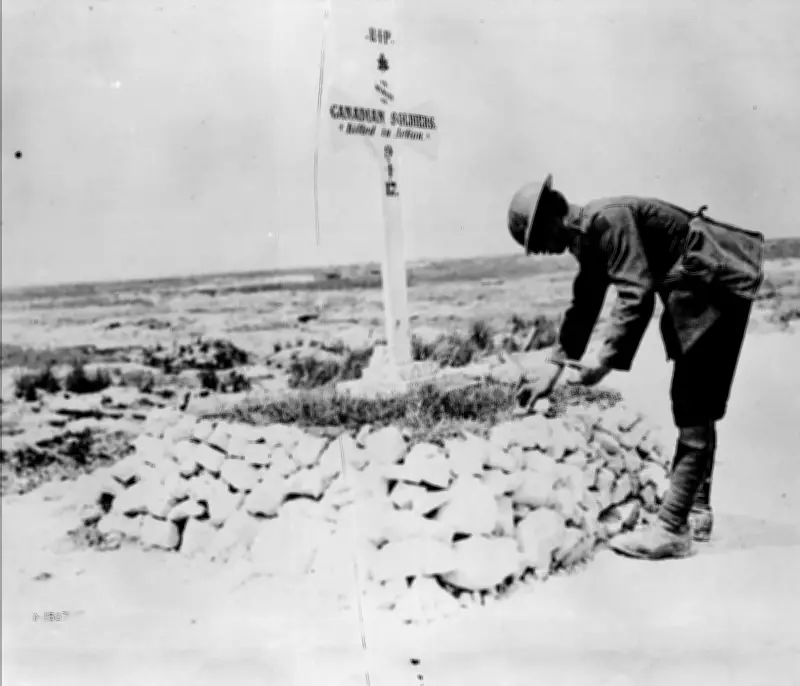
Remains of Two Edmonton First World War Soldiers Among Those Being Returned by U.S. Museum
The partial remains of two soldiers from Edmonton who served and died during the First World War are set to be repatriated to Canada as part of a significant effort by a United States museum. This solemn return honors the ultimate sacrifice made by these individuals over a century ago, bringing a measure of closure to their legacy and acknowledging their contributions to history.
A Historic Repatriation Effort
According to reports, the U.S. museum is coordinating the return of multiple sets of remains, including those of the two Edmonton soldiers. While specific details about the soldiers' identities and units have not been fully disclosed, this initiative underscores the ongoing commitment to preserving military heritage and respecting fallen service members. The process involves careful handling and documentation to ensure dignity and accuracy in the repatriation.
Context of First World War Service
The First World War, which raged from 1914 to 1918, saw thousands of Canadians enlist and fight in brutal conditions across Europe. Many soldiers from Edmonton and other parts of Alberta joined the effort, facing significant hardships and casualties. The return of these remains highlights the enduring impact of the war and the importance of remembering those who served. It also reflects broader efforts in historical preservation and military archaeology that have gained momentum in recent years.

Significance for Edmonton and Canada
For the Edmonton community and Canada as a whole, this repatriation serves as a poignant reminder of the sacrifices made during global conflicts. It provides an opportunity for reflection on the costs of war and the valor of those who fought. Local historians and veterans' groups may play a role in commemorating the soldiers once the remains are returned, potentially through ceremonies or educational programs to share their stories with future generations.
Broader Implications and Next Steps
The repatriation effort is part of a larger trend of museums and institutions reassessing their collections and returning artifacts or remains to their places of origin. This move aligns with ethical standards in museology and respect for cultural and historical sensitivities. Once the remains arrive in Canada, they will likely be handled by authorities such as the Department of National Defence or Veterans Affairs Canada, who will determine the appropriate steps for burial or memorialization, ensuring the soldiers are honored with the dignity they deserve.