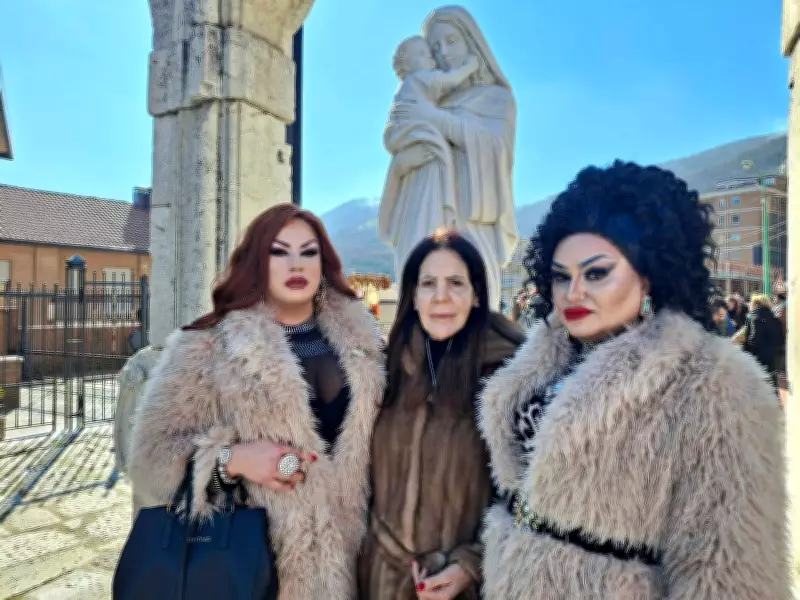
Catholic Rituals Meet Neapolitan Folklore in Pilgrimage for LGBTQ+ Community
In the picturesque town of Mercogliano, Italy, a unique spiritual event is bridging centuries-old traditions with modern expressions of identity. The La Juta pilgrimage, held on February 2, 2026, seamlessly blends Catholic rituals with the vibrant colors and customs of Neapolitan folklore, offering a sacred space for the queer community. This annual gathering highlights how faith and culture can intersect in profound ways, fostering inclusivity and celebration.
A Fusion of Sacred and Cultural Traditions
The pilgrimage draws participants from across Italy and beyond, who come together to honor religious devotion through a lens of local heritage. Catholic practices, such as prayers and processions, are interwoven with elements of Neapolitan folklore, including traditional music, dance, and elaborate costumes. This fusion creates a dynamic atmosphere where spirituality is expressed not only through solemnity but also through joy and artistic expression.
Attendees, like Gold Queen, Rosaria Fiengo, and Lust Queen, embody this blend by adorning themselves in regalia that reflects both religious symbolism and folkloric flair. Their presence underscores the event's mission to embrace diversity within a faith-based context, challenging conventional boundaries while respecting historical roots.

Creating a Safe Haven for the Queer Community
La Juta serves as a significant milestone for the LGBTQ+ community in Italy, providing a platform where individuals can openly express their faith without fear of judgment. In a country where Catholic traditions are deeply ingrained, this pilgrimage offers a rare opportunity for queer individuals to participate in religious activities while celebrating their identities. Organizers emphasize that the event is about unity and acceptance, promoting messages of love and compassion central to Christian teachings.
The pilgrimage's location in Mercogliano, nestled in the Campania region, adds to its cultural richness, as Neapolitan folklore is known for its theatricality and emotional depth. By incorporating these elements, La Juta transforms into more than just a religious observance—it becomes a celebration of life, identity, and community resilience.
Broader Implications and Future Outlook
This event reflects a growing trend worldwide where marginalized groups reclaim and reinterpret religious spaces to affirm their place within them. Experts note that such initiatives can help reduce stigma and foster dialogue between different segments of society. As La Juta gains attention, it may inspire similar gatherings elsewhere, encouraging broader acceptance within religious institutions.
Looking ahead, participants hope that the pilgrimage will continue to grow, drawing more people to experience its unique blend of spirituality and culture. By honoring both Catholic rituals and Neapolitan folklore, La Juta stands as a testament to the power of tradition to evolve and include, offering a beacon of hope for inclusive faith practices in the future.