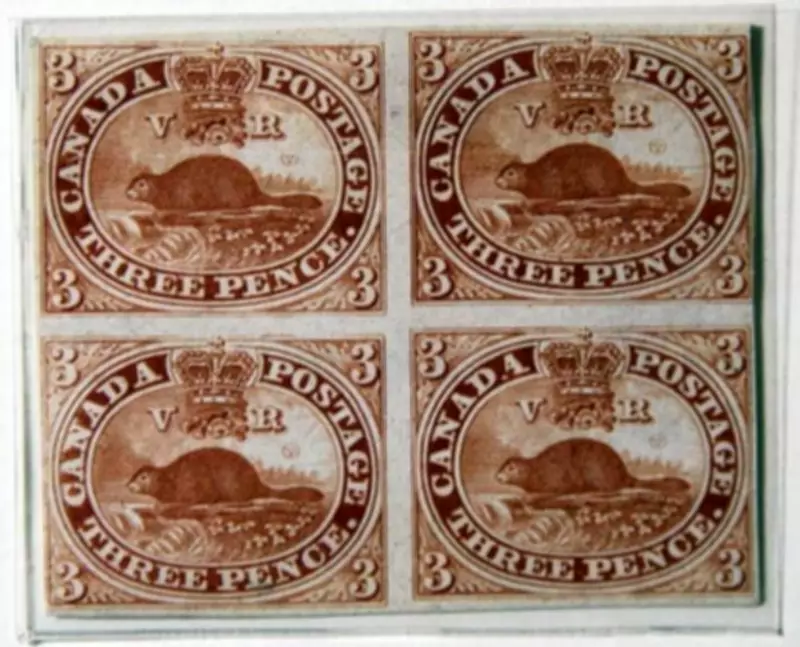
Canada has left an indelible mark on global history with a pioneering invention that revolutionized postal systems worldwide. The three-pence beaver stamp, issued on April 23, 1851, was not merely the Province of Canada's first postage stamp; it represented a groundbreaking milestone as the world's inaugural piece of postage currency to depict an image beyond a head of state or coat of arms.
A Legacy of Innovation and Design Excellence
Thanks to advanced printing techniques initially developed to thwart counterfeiters, Canadian stamps have long been celebrated for their quality and creativity. To this day, their vibrant and innovative designs are internationally recognized, continuing a proud tradition that began with this historic first stamp. This legacy underscores Canada's role as a leader in philatelic artistry and technological advancement.
The Visionary Behind the Stamp
The world's first pictorial stamp was designed by Sir Sandford Fleming, a notable figure who also created standardized time zones. According to 2009 material from the Canadian Museum of Civilization, the idea for featuring the beaver originated during a breakfast conversation between Fleming and postmaster-general James Morris. Morris suggested the rodent as the central image, symbolizing the industry, ingenuity, and perseverance of the young nation.

The beaver, a national emblem, was chosen to reflect Canada's resilient spirit and resourcefulness. The stamp, valued at three British pence (denoted as '3d', with 'd' abbreviating pence from the Roman word 'denarius'), was released on that fateful April day, marking a significant departure from traditional postal imagery.
Evolution and Unification in Canadian Philately
As Canada evolved, so did its postal system. All provinces eventually ceased issuing their own stamps, adopting the Dominion of Canada general issue as they joined Confederation. Notably, Newfoundland maintained its independent stamp production until it became part of Canada in 1949. Following Confederation, Canada's first stamp was a profile of Queen Victoria issued in 1868, signaling a new era in national identity and postal unity.
This historical journey highlights how the three-pence beaver stamp set a precedent for creativity and national expression in postal currency, influencing designs globally and cementing Canada's place in philatelic history.