Unveiling Canada's Architectural Tapestry Through a Comprehensive Field Guide
Canada's architectural narrative is remarkably diverse, deeply embedded in regional contexts and historical evolution. In the newly published Canadian Architectural Styles: A Field Guide, author Don Mikel masterfully weaves together these varied threads, presenting an expansive examination of the structures that have defined communities from coast to coast.
A Practical Guide to Architectural Diversity
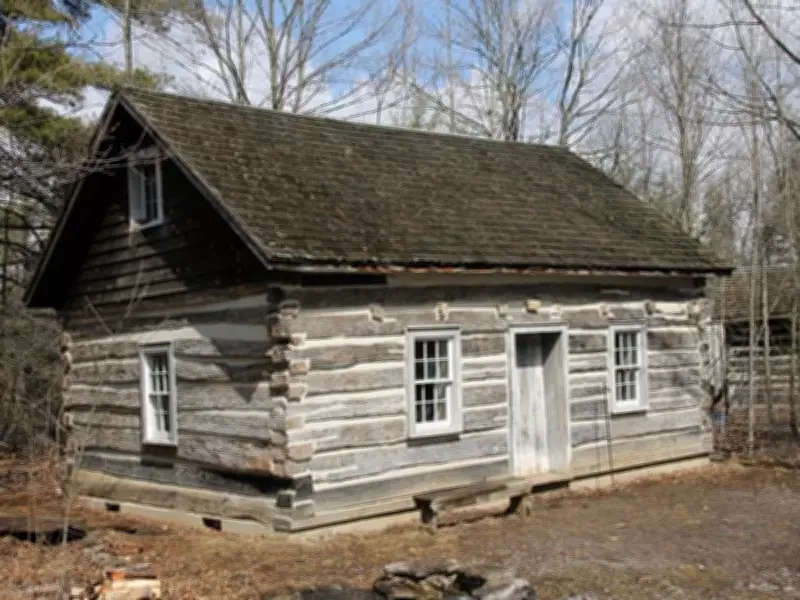
Conceived as a functional field manual rather than a mere decorative overview, the book encompasses more than 1,000 photographs and identifies over 40 distinct architectural styles. Mikel meticulously traces the progression of Canadian architecture from early Colonial log cabins, such as those found at Westfield Heritage Village in Ontario dating to approximately 1796, through niche Italianate designs like the Allan Morash House in Lunenberg, Nova Scotia from 1881, and onward to Mid-Century Modernism, Brutalism, and contemporary architectural expressions.
"Canada has never possessed a comprehensive national guide for architectural styles," Mikel explains. "My objective was to create a book that would demonstrate the full spectrum of styles present in this country—highlighting regional diversity, varied building materials, climate influences, and cultural adaptations." His overarching mission is to cultivate public understanding of Canada's built heritage, which he believes could translate into stronger advocacy for heritage conservation efforts nationwide.

Addressing Contemporary Conservation Challenges
Mikel expresses concern about the current development climate, noting that heritage protections are eroding as buildings face demolition for redevelopment projects. The book's structure directly reflects this preservationist perspective. Each chapter begins with a clear introduction to a specific architectural style, followed by carefully curated examples demonstrating how these styles adapt across different regions, and concludes with a practical checklist reaffirming the style's primary characteristics.
The guide includes a valuable glossary and geographical index organized by town and region, encouraging readers to actively engage with their surroundings—to identify buildings in their own communities rather than simply admiring distant architectural landmarks.
Celebrating Architectural Hybridity and Regional Discoveries
Mikel adopts an intentionally inclusive curatorial approach. Rather than limiting selections to textbook-perfect specimens, he deliberately includes buildings that blur stylistic boundaries. "Most architectural publications concentrate on handbook examples," he observes, "but numerous buildings don't strictly conform to established categories. By presenting ranges within styles, people can more accurately assess the buildings that interest them." This methodology results in a guide that acknowledges and celebrates architectural hybridity rather than simplifying it.
Some of Mikel's most compelling discoveries emerged from regions he previously knew less intimately. "I hadn't spent extensive time in the Prairies before this project," he notes, "and I was genuinely impressed with the architectural quality found in western cities." Newfoundland similarly proved revelatory, with the province containing "fantastic buildings from all historical periods."
Canadian Architecture's Distinctive Interpretations
While Canadian architecture frequently follows international movements, Mikel contends that its uniqueness resides in interpretation rather than invention. "What makes our architecture special is how architects, homeowners, and builders express these styles," he asserts. "We've been conditioned to believe our built heritage is inferior to that found elsewhere, but we possess internationally significant buildings and exceptional national examples."

He references iconic works ranging from Vancouver's Art Deco Marine Building to Toronto's modernist TD Centre and Montreal's innovative Habitat 67, alongside the strength of Canada's Victorian-era architecture. "Much of our nineteenth-century architecture rivals anything created anywhere during that period," Mikel concludes, underscoring the importance of recognizing and preserving Canada's rich architectural legacy for future generations.