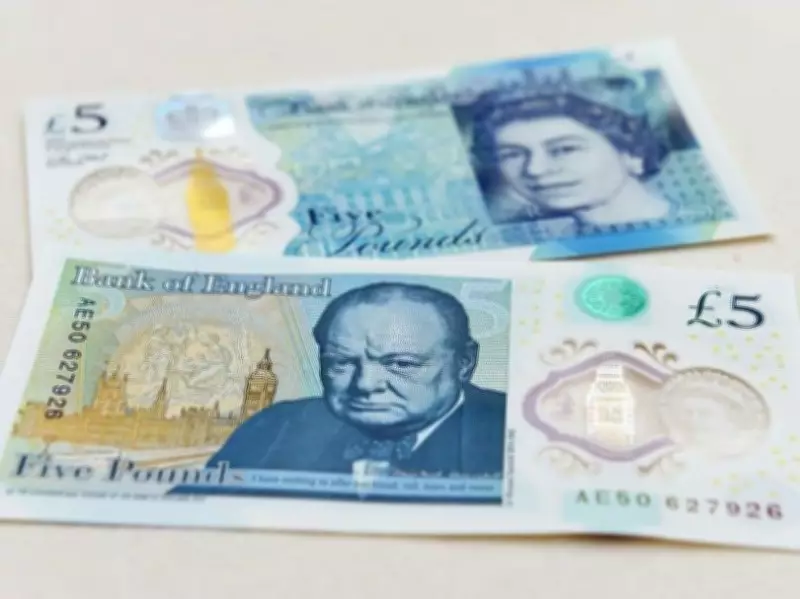
The United Kingdom is embarking on a controversial overhaul of its banknotes, a move that has ignited fierce debate over the preservation of national history. In a decision reminiscent of recent changes in Canada, iconic historical figures such as Sir Winston Churchill are set to be removed from British currency, replaced by images of wildlife like hedgehogs and badgers.
The Bank of England's Rationale for Change
According to Victoria Cleland, the Bank of England's chief cashier, the primary motivation behind this shift is to enhance security against counterfeiting. She emphasized that updating the banknotes provides an opportunity to celebrate different aspects of the U.K., with nature serving as an ideal choice from an authentication perspective. This allows the bank to showcase the country's rich and varied wildlife on the next series of banknotes.
However, critics argue that this rationale overlooks the profound significance of the individuals being replaced. Churchill, Britain's wartime prime minister, is widely credited with leading the nation through its darkest days during World War II. His courage and oratory inspired a beleaguered nation, and many historians believe that without his leadership, the free world might have succumbed to Nazi tyranny.

Historical Figures on the Chopping Block
Alongside Churchill, other notable figures facing removal from British banknotes include painter J.M.W. Turner, author Jane Austen, and mathematician Alan Turing, who played a pivotal role in breaking German codes during the war. Their contributions to art, literature, and science have long been celebrated as cornerstones of British heritage.
The replacement of these luminaries with animals has sparked concerns about the erosion of historical memory. As one commentator noted, if societies cease to honor those who have demonstrated greatness in service to their countries, they risk dishonoring their history and diminishing their collective identity.
Parallels with Canada's Recent Changes
This move in Britain echoes similar changes implemented in Canada. In 2023, Canada updated its passport under the guise of improving security, replacing historical images such as Terry Fox, women's rights activist Nellie McClung, the Fathers of Confederation, and the Vimy war memorial with pictures of bears and squirrels.
Canada is also in the process of updating its banknotes. A new $20 bill featuring King Charles III will be released next year, while Marathon of Hope legend Terry Fox will be featured on the new $5 bill. Former prime minister Sir Wilfrid Laurier, who currently graces the $5 bill, will move to the $50, replacing William Lyon Mackenzie King.
The Broader Implications for Historical Education
These changes raise important questions about how nations choose to commemorate their past. In an era where many young people may lack a deep understanding of history, the visual representation of historical figures on everyday items like currency and passports serves as a constant reminder of national achievements and sacrifices.
Replacing such figures with wildlife, while perhaps aesthetically pleasing and secure, may inadvertently contribute to a disconnect from the historical narratives that shape national identity. As debates continue, the balance between modernization and heritage preservation remains a delicate and contentious issue.