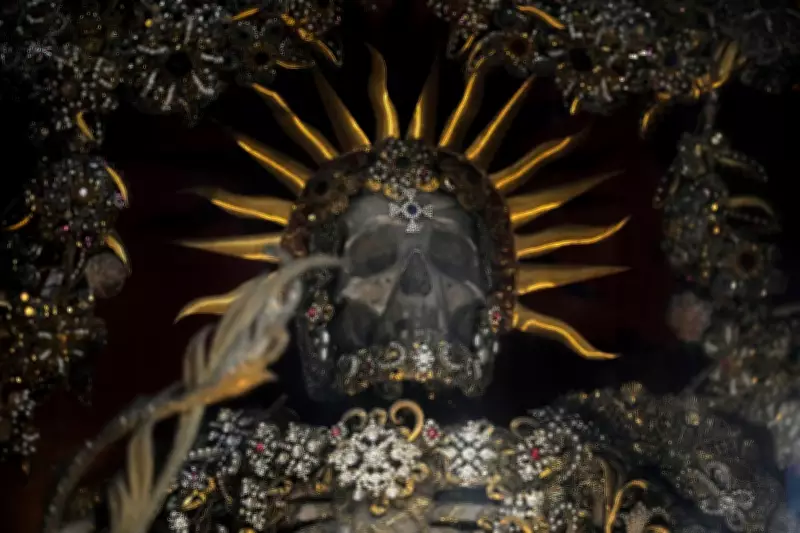
In the Catholic monastery church of Banz in Bad Staffelstein, Germany, an elaborately decorated skeleton stands as a striking sight for visitors. These ornate skeletons, known as 'catacomb saints,' are relics from the Roman catacombs that were sent to churches in Bavaria during the 17th and 18th centuries to replace relics lost during the Protestant Reformation.
The History Behind the Decorated Skeletons
The skeletons were often adorned with jewels, gold, and fine clothing, and were displayed in churches as a way to inspire faith and devotion. Many visitors are taken by surprise when they encounter these elaborate displays, which can seem macabre to modern eyes.
Preservation and Controversy
While some view these skeletons as important historical and religious artifacts, others find them unsettling. The Catholic Church has taken steps to preserve these relics, which are considered part of Bavaria's cultural heritage.

- Many skeletons are displayed in glass cases or shrines.
- They are often dressed in elaborate robes and crowns.
- Some churches have removed them from public view due to controversy.
Despite differing opinions, the decorated skeletons remain a unique feature of Bavarian Catholicism, drawing both pilgrims and curious tourists.