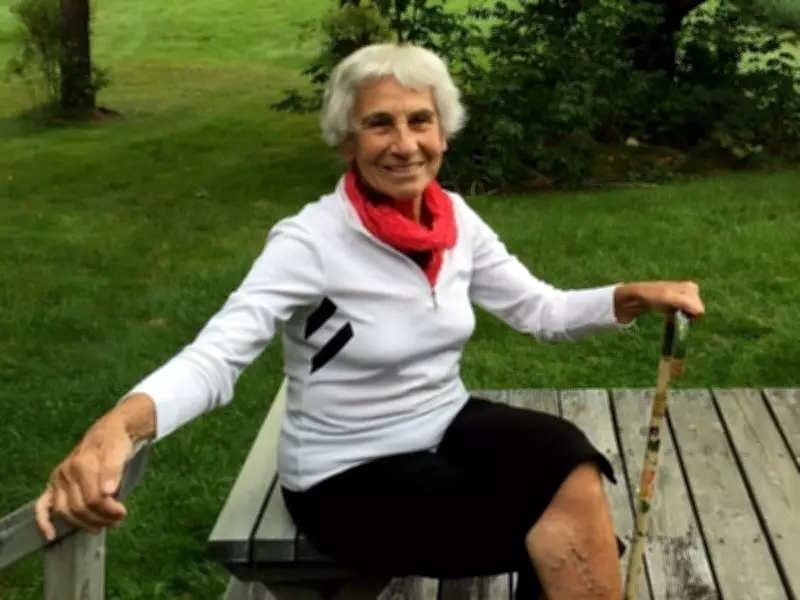
Life Lessons from a 98-Year-Old: How Kindness Outshines Bigotry
In a heartfelt column published on February 7, 2026, Montreal Gazette columnist Josh Freed paid tribute to his mother-in-law, Irena Peritz, who passed away recently at the age of 98. The piece, titled "My mother-in-law lived for the light," has sparked reflection among readers, with Lindi Ross of Carignan noting that Peritz "lived in a way that made bigotry look small and kindness and empathy look powerful." This tribute serves as a poignant reminder of the enduring impact of human connection in an era often marked by division.
A Life Defined by Resilience and Warmth
Irena Peritz's life story is one of remarkable resilience. Her childhood was shaped by terror, loss, and inconceivable danger, yet she emerged not with bitterness, but with a lifetime dedicated to warmth, gratitude, and connection. What stands out is not merely what she endured, but how she transformed that darkness into eight decades of offering light to others. She was known for sitting on park benches, listening intently, asking non-judgmental questions, and making strangers feel truly seen, turning ordinary moments into something deeply meaningful.
In current times, when public figures may resort to stereotypes, blame minorities, or stoke fear for political gain, Peritz's life stands in sharp contrast. Her approach demonstrated that the deepest impact comes from how we make others feel, a lesson that many in society have yet to learn. If more people embodied even a fraction of her humility, openness, compassion, and kindness, our communities would undoubtedly feel and look very different.

Lessons for Public Discourse and Personal Conduct
The tribute invites readers to reconsider how we measure public figures and personal interactions. Rather than valuing loudness or bravado, perhaps a fitting homage to Peritz's legacy would be to prioritize humanity—assessing individuals by their empathy and kindness. This perspective is especially relevant in today's polarized climate, where divisive rhetoric often dominates headlines.
As Lindi Ross eloquently stated, Peritz's life reminds us that the most profound influences stem from simple acts of making others feel valued. This message resonates beyond personal tributes, offering a blueprint for fostering more inclusive and compassionate societies.
Additional Letters Reflect Broader Concerns
The Gazette's letters section also featured other notable submissions, highlighting ongoing public discourse. In response to "Dear Canada, our deepest apologies" from February 4, an elderly U.S. veteran apologized for his country's behavior, while another American, R. Jay Allain of Orleans, Massachusetts, urged Canadians to understand the serious challenges facing U.S. democracy. Allain described a relentless takeover by forces preferring autocracy, emphasizing a daily battle for an inclusive civil society.
Another letter from Derek MacCuish of Pointe-Claire criticized Canada's policy on asylum seekers, questioning the designation of the United States as a "safe third country" given reports of human rights abuses. MacCuish argued that the U.S. has become "a gateway to hell for too many of those who need asylum," calling for a reevaluation of this stance.
Guidelines for Submitting Letters to the Editor
The Gazette encourages readers to engage through letters, prioritizing responses to published articles. Submissions should be sent uniquely to letters@montrealgazette.com, with clarity, factual accuracy, and a respectful tone. Ideal letters are fewer than 200 words, include the author's full name and city of residence, and avoid anonymity or pseudonyms. While the editorial team reserves the right to edit and condense, care is taken to preserve the core argument, and letters are typically published within 10 days if accepted.
This ongoing dialogue underscores the importance of community voices in shaping public conversation, much like the enduring lessons from lives such as Irena Peritz's.